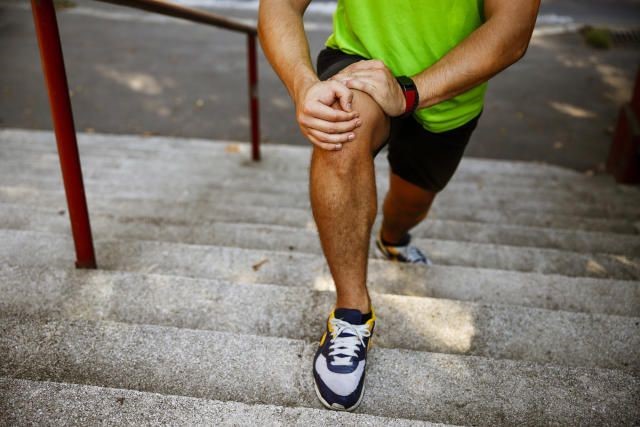
Rajesh had started changing small habits without even realizing it.
He stopped taking the stairs to his office on the third floor. Weekend cricket games slowly disappeared from his routine. Sitting cross-legged during family gatherings became uncomfortable. Even short walks started ending with stiffness around his knees.
At first, he ignored it.
Like many people, he assumed knee pain was just a temporary issue caused by age, long working hours, or tiredness. A painkiller here, a few days of rest there, and life continued. But months later, the discomfort became sharper, more frequent, and emotionally exhausting.
What once felt like mild irritation slowly turned into a daily limitation.
This is exactly how early knee problems quietly progress for thousands of people every year.
Most severe joint conditions rarely begin with unbearable pain. They often start subtly through stiffness while climbing stairs, discomfort after sitting for long hours, mild swelling, cracking sounds, or pain during walking. Since these symptoms appear manageable initially, many people delay consulting an orthopedic specialist until the damage becomes more advanced.
The problem is that knee joints do not simply “heal on their own” when underlying degeneration continues progressing internally.
The knee is one of the most heavily used joints in the body. Every step, bend, climb, and movement places pressure on cartilage, ligaments, muscles, and surrounding joint structures. When early wear and tear, injuries, or inflammation are ignored for long periods, the protective cartilage inside the knee gradually starts breaking down.
Once cartilage damage increases, the bones begin rubbing against each other more directly. This leads to worsening pain, stiffness, swelling, reduced flexibility, and eventually difficulty performing basic daily activities comfortably.
Many patients only seek medical help after their mobility becomes seriously affected.
By then, simple tasks like getting out of bed, walking short distances, standing for long hours, or climbing stairs may already feel physically draining.
What makes this even more frustrating is the emotional impact that chronic knee pain creates over time.
People become less active. Weight gain increases because movement becomes uncomfortable. Social activities reduce. Fitness routines disappear. Confidence drops. Some individuals even begin depending on family members for everyday support.
Pain slowly starts controlling lifestyle choices.
According to Dr. Saurabh Giri from Helios Orthojoint, early orthopedic evaluation plays a major role in preventing severe joint damage and preserving natural knee function for longer periods.
Importantly, not every patient with knee pain requires surgery.
This is one of the biggest misconceptions people carry.
In many cases, early-stage orthopedic conditions can be managed effectively through joint preservation treatment, physiotherapy, weight management, muscle strengthening, regenerative therapies, medications, or minimally invasive procedures before the condition progresses severely.
Timely intervention often helps reduce inflammation, improve joint stability, and slow down further degeneration.
However, when knee damage becomes advanced due to years of neglect, treatment options may become more complex. Conditions like advanced osteoarthritis, ligament instability, cartilage loss, or deformity can eventually require procedures such as robotic knee replacement in Pune or joint replacement surgery to restore mobility and quality of life.
The good news is that orthopedic treatment has evolved significantly over the years.
Modern advanced orthopedic surgery now focuses heavily on precision, muscle preservation, minimally invasive techniques, and faster recovery protocols. Technologies like the CUVIS Robotic Knee Replacement System help improve alignment accuracy and support more natural joint movement after surgery.
For many patients, this means earlier mobilization, improved comfort during recovery, and better long-term mobility outcomes.
At Helios Orthojoint, treatment is designed around helping patients regain movement confidence rather than simply addressing pain temporarily. From sports injury treatment and ACL reconstruction Pune to arthroscopy surgery Pune and muscle sparing knee replacement procedures, the focus remains centered on restoring active and independent lifestyles.
Younger individuals are also increasingly experiencing knee problems due to sports injuries, gym-related strain, obesity, sedentary work culture, and untreated ligament damage. Ignoring these early signs often leads to instability and long-term joint stress that can accelerate degeneration much earlier in life.
Even small symptoms deserve attention if they continue repeatedly.
Pain while walking upstairs.
Morning stiffness.
Difficulty sitting cross-legged.
Swelling after activity.
Clicking sounds during movement.
Reduced flexibility.
Discomfort while standing for long periods.
These are not always “normal aging” signs.
They are often the body’s early warning signals.
One of the most important things patients realize after treatment is how deeply mobility affects emotional wellbeing. The ability to move freely impacts confidence, independence, work life, social activities, sleep quality, and overall happiness far more than most people realize.
Protecting your knees early is not only about avoiding surgery.
It is about protecting your lifestyle, movement, and long-term independence.
Conclusion
Ignoring early knee pain may seem harmless initially, but gradual joint damage can eventually affect mobility, confidence, and everyday comfort. Seeking timely orthopedic care can help identify the real cause early and prevent long-term complications.
Dr. Saurabh Giri
Helios Orthojoint
Pimple Saudagar, Pune
Website: www.kneereplacementsurgeonpune.com
Phone: +91 9156580303
Email:
Timing: Monday to Saturday – 10:00 AM to 09:00 PM
Recent Posts
-
 Still Playing Sports with an ACL Tear While Long-Term Knee Damage Continues Increasing with Every Activity.
 -
AVN joint replacement surgery
-
 Why Gym Injuries and Sports Trauma Are Increasing Rapidly Among Young Adults and Fitness Enthusiasts
 -
 Ignoring Advanced Surgical Options While Robotic Knee Replacement Continues Becoming the Future of Joint Care
 -
 Not because the pain was manageable, but because he was afraid of surgery.