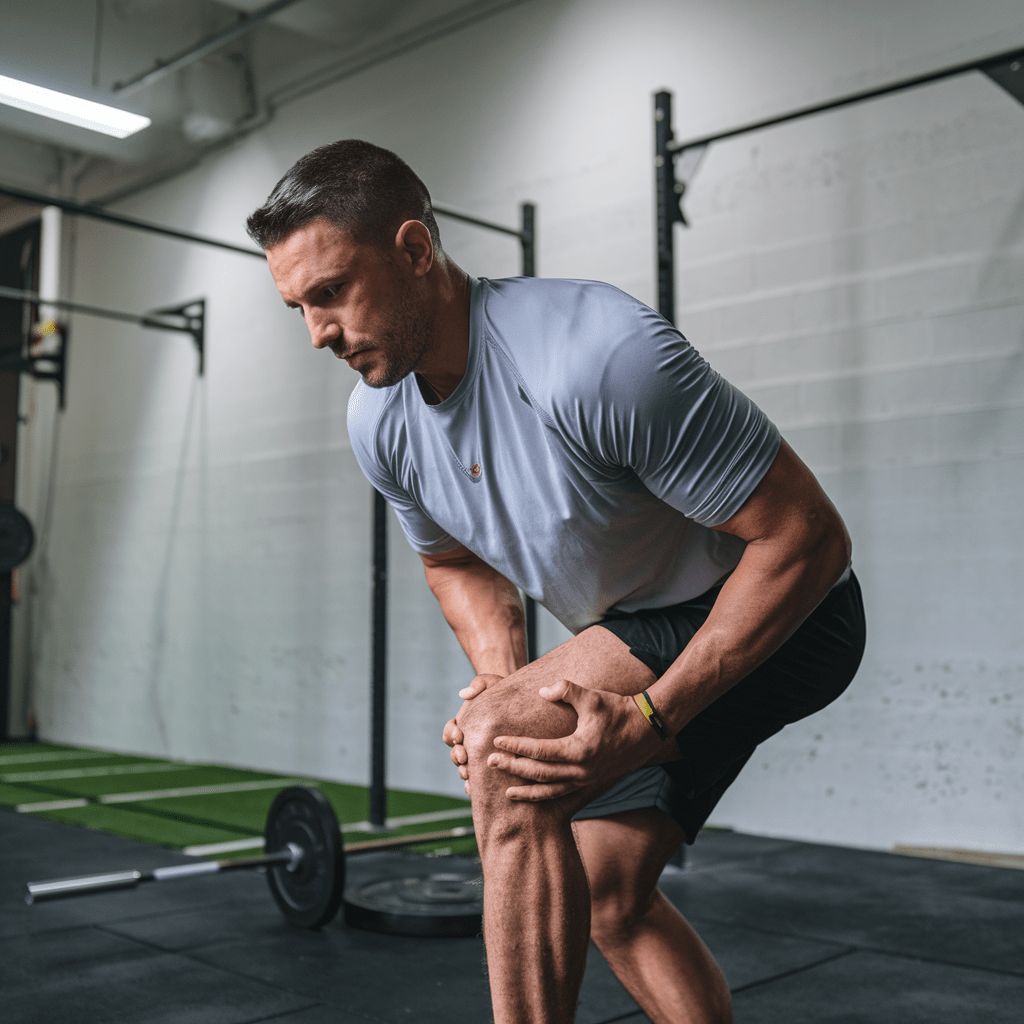
Aman had recently become serious about fitness.
Early morning gym sessions, intense workout challenges, weekend football matches, and social media fitness trends had become part of his daily routine. Like many young adults, he wanted quick results and pushed himself harder every week.
At first, the soreness felt normal.
Then one day during heavy squats, he felt a sudden sharp pain in his knee. He ignored it and continued training. A few weeks later, running became uncomfortable. His knee started feeling unstable during workouts, and swelling appeared after intense activity.
Still, he kept going to the gym because he believed taking a break would slow his progress.
Unfortunately, this mindset is becoming increasingly common among young adults and fitness enthusiasts today.
Across gyms, sports grounds, fitness centers, and recreational activities, orthopedic specialists are seeing a rapid rise in sports injuries, ligament tears, muscle strain, joint damage, and overuse trauma among younger individuals who were previously expected to have healthier joints and stronger mobility.
Modern fitness culture has inspired more people to stay active, which is positive in many ways. However, the increasing pressure to achieve faster physical transformation, lift heavier weights, train intensely without proper recovery, or copy advanced workout routines from social media has also led to a growing number of preventable orthopedic injuries.
The body needs gradual conditioning.
Muscles, ligaments, tendons, cartilage, and joints require time to adapt to physical stress. When workouts become too intense too quickly, the risk of injury rises significantly.
Common gym and sports-related injuries now include:
ACL tears.
Meniscus injuries.
Shoulder instability.
Muscle strain.
Tendon injuries.
Cartilage damage.
Lower back pain.
Ankle ligament injuries.
Patellar tendon inflammation.
Joint overuse injuries.
Many injuries happen not because people are exercising, but because they are training incorrectly, skipping recovery, ignoring pain, or continuing activity despite early warning signs from the body.
According to Dr. Saurabh Giri from Helios Orthojoint, one of the biggest concerns today is that younger individuals are increasingly developing long-term joint problems much earlier due to untreated sports trauma and repetitive stress injuries.
The knee joint is especially vulnerable during sports and gym activity because it absorbs significant force during running, jumping, twisting, landing, and weight training. Poor exercise form, sudden directional changes, overtraining, inadequate warm-up, muscle imbalance, and fatigue all increase stress on the ligaments and cartilage inside the knee.
Many young adults ignore early symptoms because they assume they are “too young” for serious orthopedic injuries.
Pain during workouts.
Swelling after sports activity.
Instability while running.
Clicking sensations.
Reduced flexibility.
Difficulty squatting.
Pain while climbing stairs.
These signs are often dismissed temporarily until the injury becomes more severe.
One of the biggest mistakes fitness enthusiasts make is depending on painkillers or braces while continuing intense activity without proper diagnosis. While the pain may reduce temporarily, the internal joint damage can continue worsening silently with every workout session.
Over time, untreated sports injuries may lead to chronic instability, cartilage wear, early arthritis, reduced mobility, and long-term performance limitations.
Modern orthopedic care today focuses heavily on early diagnosis and joint preservation, especially among younger active individuals.
At Helios Orthojoint, , sports injury treatment is designed around restoring movement quality, protecting long-term joint health, and helping patients safely return to active lifestyles. Advanced arthroscopy surgery Pune and ACL reconstruction Pune procedures now allow minimally invasive treatment approaches that reduce tissue trauma and support recovery-focused rehabilitation.
Personalized sports rehabilitation programs also play an important role in recovery. Proper physiotherapy, strength rebuilding, flexibility training, balance correction, and gradual return-to-sport planning help reduce re-injury risk while improving overall movement stability.
Importantly, not every sports injury requires surgery.
Many early-stage conditions improve significantly through physiotherapy, activity modification, muscle strengthening, recovery-focused treatment, and guided rehabilitation. However, delaying treatment while continuing intense physical activity can often make injuries more serious and recovery more complicated later.
Another major reason injuries are increasing among young adults is the lack of recovery culture.
Sleep deprivation, poor nutrition, overtraining, inadequate stretching, and insufficient rest days prevent the body from healing properly between workouts. Recovery is not weakness.
It is part of performance itself.
The strongest athletes are not necessarily the ones who train the hardest every day.
They are often the ones who recover intelligently.
Beyond physical pain, sports injuries can also create emotional frustration. Fitness routines are closely connected with confidence, mental health, stress relief, and identity for many young people. Losing mobility or being forced to stop activity suddenly can affect emotional wellbeing deeply.
This is why modern orthopedic treatment today focuses not only on repairing injuries but also on helping individuals regain confidence in movement again.
Because the real goal is not simply returning to the gym.
It is returning stronger, safer, and without long-term damage to the joint.
Conclusion
Gym injuries and sports trauma are increasing rapidly among young adults due to intense training, poor recovery habits, overuse stress, and untreated early injuries. Timely orthopedic evaluation, proper rehabilitation, and guided recovery-focused treatment can help protect long-term joint health while supporting a safer return to fitness and sports activities.
Dr. Saurabh Giri
Helios Orthojoint
Pimple Saudagar, Pune
Website:www.kneereplacementsurgeonpune.com
Phone: +91 9156580303
Timing: Monday to Saturday – 10:00 AM to 09:00 PM
Recent Posts
-
 Why Gym Injuries and Sports Trauma Are Increasing Rapidly Among Young Adults and Fitness Enthusiasts
 -
 Ignoring Advanced Surgical Options While Robotic Knee Replacement Continues Becoming the Future of Joint Care
 -
 Not because the pain was manageable, but because he was afraid of surgery.
 -
 Still Worried About Long Recovery Periods and Limited Mobility After Knee Replacement Surgery
 -
 Why Traditional Knee Surgery Is Gradually Losing Preference in the Era of Robotic Orthopedic Procedures