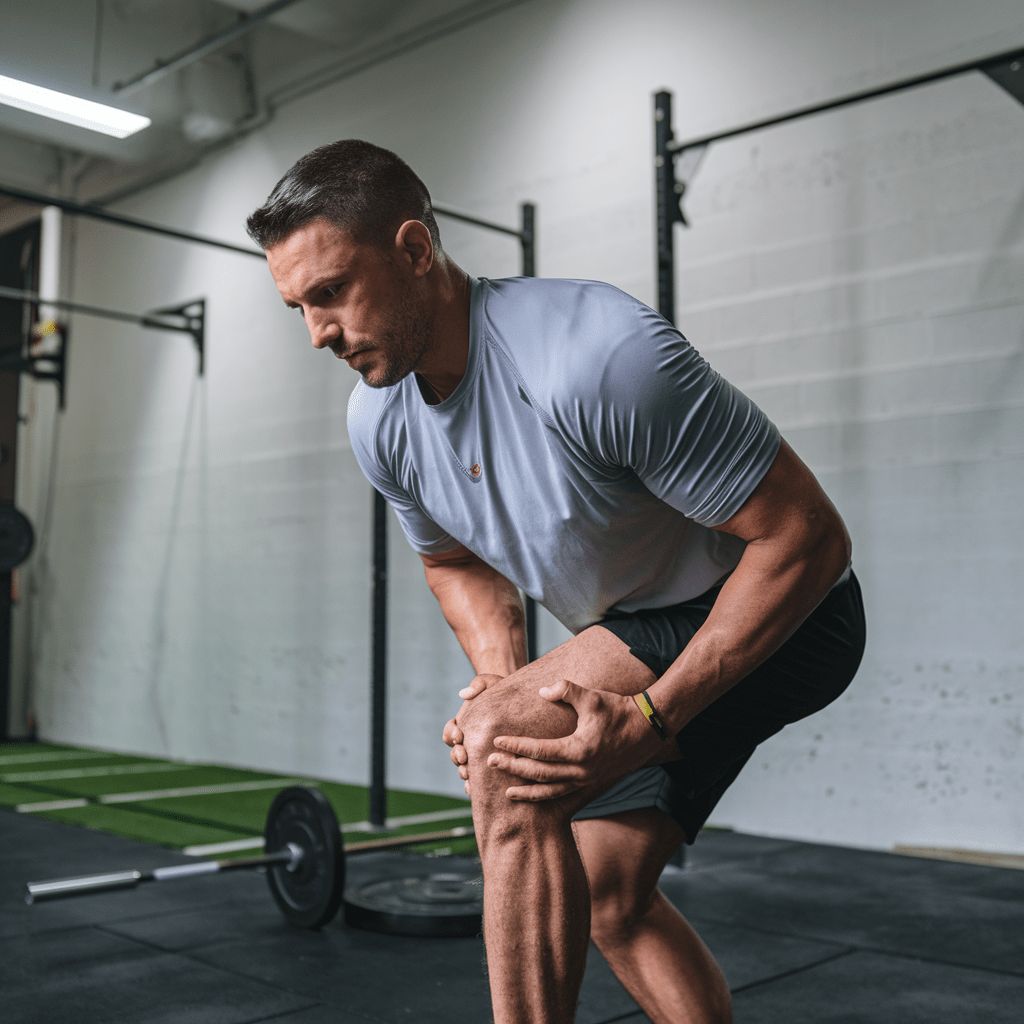
For a long time, Nikhil ignored the strange clicking sound coming from his knee.
At first, it only happened occasionally during gym workouts or while climbing stairs. Then came the sudden sharp pain while getting up from a squat. Some days, his knee even felt like it was briefly “stuck” before moving again.
Friends told him it was probably normal joint cracking.
So he continued exercising.
But over the next few months, the discomfort slowly increased. Running became uncomfortable. Sudden twisting movements caused pain. During workouts, he started feeling nervous because the knee no longer felt smooth or reliable.
What Nikhil experienced is far more common than most people realize.
Many active individuals ignore knee locking, clicking sounds, popping sensations, or sudden pain during movement because they assume these symptoms are harmless. While occasional painless joint sounds may not always indicate serious problems, repeated locking, painful clicking, instability, or sharp pain often suggest that important structures inside the knee may already be irritated or damaged.
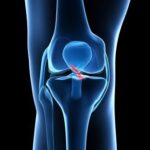
The knee is a highly complex joint made up of cartilage, ligaments, tendons, bones, and meniscus tissue working together to allow smooth movement.
When any of these structures become injured or worn down, the joint may start producing symptoms during activity.
Clicking or popping sounds may occur due to cartilage wear, ligament problems, meniscus injuries, or rough movement inside the joint. Knee locking can happen when damaged cartilage or torn meniscus tissue interferes with smooth joint movement. Sudden pain during exercise may indicate inflammation, instability, overuse injury, or internal joint damage that becomes aggravated during movement.
Initially, these symptoms may appear only during intense activity.
Over time, however, they often become more frequent if the underlying issue remains untreated.
Many patients begin noticing:
Pain while squatting or climbing stairs.
Clicking sensations during movement.
Sudden locking episodes.
Swelling after exercise.
Difficulty bending the knee fully.
Instability during running or sports.
Sharp pain while twisting the knee.
Unfortunately, many people continue exercising through these symptoms because they do not want to interrupt their active routine. Painkillers, knee braces, or temporary rest may reduce discomfort briefly, but the internal joint problem may continue progressing silently underneath.
According to Dr. Saurabh Giri ,early orthopedic evaluation is extremely important whenever knee locking, instability, swelling, or painful clicking continues repeatedly during physical activity.
These symptoms are often early warning signs that the joint requires pr oper diagnosis before the damage worsens further.
Common causes behind these symptoms may include:
Meniscus tears.
Cartilage damage.
Ligament injuries.
Sports trauma.
Early arthritis.
Patellar tracking problems.
Joint inflammation.
Overuse injuries from sports or gym activity.
The good news is that many of these conditions can be treated effectively when diagnosed early.
Importantly, not every knee problem requires major surgery.
Many patients improve significantly through physiotherapy, muscle strengthening, activity modification, sports rehabilitation, regenerative therapy, and joint preservation treatment. Early intervention often helps reduce inflammation, restore movement quality, and prevent long-term joint degeneration.
However, when mechanical symptoms like locking or instability are caused by internal structural damage, advanced minimally invasive orthopedic procedures may sometimes be necessary.
Modern arthroscopy surgery Pune allows orthopedic specialists to diagnose and treat many joint problems using small incisions and highly specialized instruments. Arthroscopic procedures help address meniscus injuries, cartilage damage, ligament problems, and sports-related trauma while minimizing unnecessary tissue disruption.
At Helios Orthojoint, sports injury rehabilitation and orthopedic treatment focus heavily on preserving long-term joint health and restoring smooth movement rather than simply reducing pain temporarily. Personalized recovery plans are carefully designed according to the patient’s activity level, mobility goals, and lifestyle needs.
One of the biggest mistakes people make is assuming that if they can still walk, the injury cannot be serious.
But many knee conditions worsen gradually over time.
Continuing intense exercise or sports activity despite repeated locking, swelling, or instability can place additional stress on cartilage and surrounding structures, increasing the risk of chronic pain and long-term mobility problems later.
Modern orthopedic care today focuses heavily on protecting the joint early before severe degeneration develops.
For active individuals, these symptoms can also create emotional frustration.
The fear of sudden pain during workouts.
Loss of confidence during sports.
Avoiding certain movements.
Constantly thinking about the knee during exercise.
This mental hesitation slowly affects performance, fitness consistency, and overall quality of movement.
One of the most emotional moments after proper treatment is often simple:
Moving naturally again without fear of sudden pain or instability.
Squatting comfortably.
Running confidently.
Using stairs without hesitation.
Returning to workouts peacefully.
Because healthy movement is something people rarely appreciate fully until discomfort begins interrupting it every day.
Conclusion
Persistent knee locking, clicking sounds, swelling, or sudden pain during movement should never be ignored, especially during sports or exercise activity. Early orthopedic diagnosis and recovery-focused treatment can help identify internal joint problems early, protect long-term knee health, and restore smooth, confident movement safely.
Dr. Saurabh Giri
Helios Orthojoint
Pimple Saudagar, Pune
Website: www.kneereplacementsurgeonpune.com
Phone: +91 9156580303
Timing: Monday to Saturday – 10:00 AM to 09:00 PM
Recent Posts
-
 Still Experiencing Knee Locking, Clicking Sounds, or Sudden Pain During Movement and Exercise
-
 Why More Young Athletes Are Choosing Minimally Invasive Orthopedic Procedures for Faster Recovery Expectations
-
 Ignoring Knee Instability During Physical Activity While Ligament Injuries Continue Worsening Internally
-
 Struggling with Slow Recovery After Sports Injuries While Mobility and Performance Continue Getting Affected.
-
 Still Playing Sports with an ACL Tear While Long-Term Knee Damage Continues Increasing with Every Activity.