Rohit still remembers the exact moment his knee gave way during a football match.
One sudden twist. A sharp pain. A popping sensation inside the knee. Within seconds, he was on the ground struggling to stand properly.
After a few days of rest, the swelling reduced slightly, and like many active individuals, he convinced himself that the injury was not serious. He returned to sports gradually, started wearing a knee brace occasionally, and ignored the instability because he did not want to stop playing.
But something felt different afterward.
His knee no longer felt reliable.
During quick turns, sudden stops, or jumping movements, he often experienced a strange sensation that the knee might “slip” or buckle. Sometimes there was swelling after matches. Other times, simple activities like climbing stairs or running became uncomfortable.
Still, he continued playing through the pain.
This is extremely common among people with ACL injuries.
Many athletes, gym enthusiasts, runners, and active adults continue sports activities despite ligament tears because the pain may temporarily improve after the initial injury. However, while the discomfort may appear manageable on the outside, long-term internal knee damage often continues developing silently with every unstable movement.
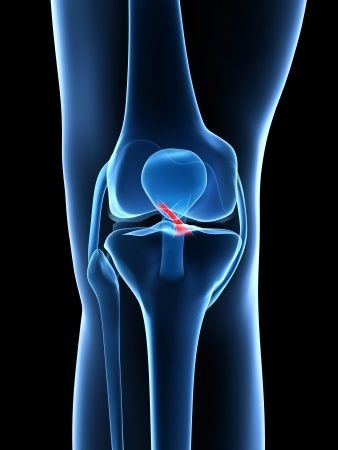
The ACL, or Anterior Cruciate Ligament, is one of the most important stabilizing ligaments inside the knee joint. It helps control rotational movement and prevents the knee from shifting abnormally during activities like running, pivoting, jumping, and sudden direction changes.
When the ACL tears, the knee loses a significant part of its natural stability.
Initially, patients may notice:
Swelling after sports activity.
Instability during movement.
Difficulty changing direction quickly.
Pain while running or jumping.
A “giving way” sensation in the knee.
Reduced confidence during sports.
The biggest problem is that many people try to continue normal activity without properly treating the injury.
Every time the unstable knee twists abnormally, additional stress is placed on other structures inside the joint, including cartilage and the meniscus. Over time, this repeated instability can gradually increase the risk of severe cartilage wear, meniscus tears, early arthritis, and long-term joint degeneration.
In simple words, continuing intense activity with an untreated ACL tear can slowly damage the entire knee joint far beyond the original ligament injury.
According to Dr. Saurabh Giri from Helios Orthojoint, early diagnosis and proper rehabilitation are extremely important after ACL injuries because timely treatment often helps protect long-term knee health and mobility.
Importantly, not every ACL injury automatically requires surgery.
Treatment depends on multiple factors including age, activity level, lifestyle needs, degree of instability, associated injuries, and future sports goals. Some individuals improve significantly through physiotherapy, muscle strengthening, rehabilitation, and activity modification.
However, for active individuals who want to return to sports safely or patients experiencing repeated instability episodes, ACL reconstruction Pune may become necessary to restore proper knee stability and reduce long-term joint damage risk.
Modern orthopedic treatment has changed significantly over the years.
Today, advanced arthroscopy surgery Pune allows minimally invasive treatment using small incisions and specialized instruments. Arthroscopic ACL reconstruction procedures are designed to reduce tissue trauma while supporting faster recovery-focused rehabilitation.
At Helios Orthojoint, sports injury treatment focuses not only on repairing the ligament but also on helping patients regain strength, confidence, stability, and long-term movement quality. Personalized rehabilitation programs and sports injury rehabilitation protocols are carefully designed to help patients return to activity safely and gradually.
One of the biggest mistakes athletes make after ACL injuries is returning to sports too early without proper rehabilitation.
Even when pain reduces, muscle weakness, instability, and poor joint control may still remain internally. Without adequate recovery, the chances of re-injury or additional knee damage increase significantly.
This is why rehabilitation is considered just as important as the procedure itself.
Modern orthopedic care today focuses heavily on preserving long-term joint health rather than simply helping patients “play again quickly.” Recovery programs are increasingly designed around movement quality, muscle balance, flexibility, stability, and safe return-to-sport progression.
Beyond the physical injury, ACL tears can also affect emotional wellbeing deeply.
Active individuals often struggle mentally when they are unable to participate in sports, gym workouts, trekking, dancing, or fitness routines. Many patients describe frustration, anxiety, and fear of movement because they no longer trust their knee fully.
Restoring that confidence becomes a major part of recovery.
One of the most emotional moments after successful treatment is often simple:
Running again without fear.
Jumping confidently.
Changing direction naturally.
Returning to sports safely.
Trusting the knee again.
Because for athletes and active individuals, movement is not just physical activity.
It is part of identity, freedom, and everyday happiness.
Conclusion
Continuing sports activities with an untreated ACL tear can gradually increase long-term knee damage, instability, cartilage wear, and mobility problems over time. Early orthopedic evaluation, proper rehabilitation, and timely treatment can help protect joint health and support a safer return to active lifestyles.
Dr. Saurabh Giri
Helios Orthojoint
Pimple Saudagar, Pune
Website: www.kneereplacementsurgeonpune.com
Phone: +91 9156580303
Timing: Monday to Saturday – 10:00 AM to 09:00 PM
Recent Posts
-
 Still Playing Sports with an ACL Tear While Long-Term Knee Damage Continues Increasing with Every Activity.
 -
AVN joint replacement surgery
-
 Why Gym Injuries and Sports Trauma Are Increasing Rapidly Among Young Adults and Fitness Enthusiasts
 -
 Ignoring Advanced Surgical Options While Robotic Knee Replacement Continues Becoming the Future of Joint Care
 -
 Not because the pain was manageable, but because he was afraid of surgery.