Overcoming Chronic Joint Pain: A Patient’s AVN Recovery Journey and the Future of Robotic Knee Replacement
A male patient in his 50s had been living with Avascular Necrosis (AVN) and severe joint degeneration for nearly 1.5 years, making even everyday walking increasingly painful and difficult. With his mobility and independence affected by persistent joint pain, he sought specialized orthopedic care. After undergoing joint replacement surgery, he was able to begin assisted walking soon after the procedure and experienced significant improvement within the first few days. His recovery highlights how timely intervention, advanced surgical techniques and structured rehabilitation can help patients take confident steps toward regaining their mobility.
A Journey That Began With Persistent Pain
For approximately one and a half years, the patient had been dealing with the effects of Avascular Necrosis and severe joint degeneration. What initially affected his comfort gradually began interfering with his everyday life.
Walking became difficult and painful, making routine activities increasingly challenging. Persistent joint pain can affect not only physical mobility but also a person’s confidence and independence.
When AVN progresses and causes significant joint damage, conservative treatments may no longer provide adequate relief. In such situations, joint replacement surgery may be considered after a detailed evaluation by an orthopedic specialist.
For this patient, surgical intervention became the next step toward restoring mobility and reducing the impact of the damaged joint on his daily life.
Finding the Right Orthopedic Care
The patient learned about Hardikar Hospital and its orthopedic team through a family member. He had also heard about the expertise of Dr. Saurabh Giri and decided to seek consultation.
Following clinical evaluation and assessment of the severity of his joint condition, the medical team recommended joint replacement surgery.
The goal was to address the damaged joint, reduce pain caused by the deteriorated joint surfaces and help restore stability and function.
His Experience After Joint Replacement Surgery
The patient underwent surgery on the 8th.
As the effects of anesthesia gradually wore off, he was able to begin taking his first steps with the support of a walker and assistance from the physiotherapy team.
By the third day after surgery, he reported feeling significantly better, with no major pain or discomfort and improved mobility.
He was also advised that with continued physiotherapy and rehabilitation, he could gradually progress toward independent walking over the following weeks.
For someone who had struggled with painful movement for nearly 1.5 years, being able to stand and walk with assistance shortly after surgery was an important milestone in his recovery.
A Patient’s Testimonial
Sharing his experience, the patient expressed his gratitude toward the orthopedic surgical team and the hospital staff who supported him throughout his treatment.
He specifically appreciated the support provided by Nityanand Sir, Nilesh Sir and the hospital team. He also highlighted the assistance provided by the insurance coordination desk, which helped guide him through the administrative process.
He shared that after his surgery, he was able to gradually start walking with the help of a walker once the anesthesia had completely worn off. Within three days, he was feeling considerably better and was encouraged by the progress he had already made.
The medical team explained that with appropriate rehabilitation, he could progressively work toward walking independently over the following weeks.
His experience reflects the importance of comprehensive joint replacement care, where surgery, physiotherapy, nursing support and patient guidance all contribute to the recovery process.
Understanding Avascular Necrosis
Avascular Necrosis (AVN) is a condition that occurs when the blood supply to a bone is reduced or interrupted. Without adequate blood supply, bone tissue can gradually weaken and deteriorate.
The condition can affect different parts of the body, but the hip is commonly involved. As AVN progresses, the affected bone may collapse and damage the joint surface.
Patients may experience symptoms such as persistent joint pain, stiffness, difficulty walking, reduced range of motion and increasing difficulty performing everyday activities.
The treatment approach depends on the stage of AVN, the extent of joint damage and the patient’s overall health. Depending on the individual case, treatment may include observation, medication, physiotherapy, joint-preserving procedures or joint replacement surgery.
When the joint has suffered advanced damage and conservative treatment is no longer effective, joint replacement may help restore joint function and improve mobility.
Why Timely Treatment Matters
Living with persistent joint pain for a long period can gradually affect mobility and physical activity. Patients may begin changing the way they walk or avoiding activities that cause discomfort.
Over time, reduced activity can contribute to muscle weakness and further loss of mobility.
This is why persistent joint pain should not simply be ignored. Early orthopedic evaluation can help identify the underlying cause and determine the most appropriate treatment before the condition causes further functional limitations.
From AVN Treatment to Modern Knee Replacement
While AVN can severely affect joints such as the hip, another major cause of long-term joint pain is osteoarthritis of the knee.
Knee osteoarthritis occurs when the protective cartilage within the knee gradually wears down. As the condition progresses, patients may experience pain, stiffness, swelling, difficulty climbing stairs and reduced walking ability.
For patients with advanced knee arthritis who no longer obtain sufficient relief from non-surgical treatments, knee replacement surgery may be recommended.
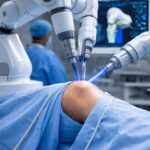
Modern orthopedic surgery has evolved significantly, and robotic assistance is now being used in selected knee replacement procedures to support surgical planning and precision.
What Is Robotic Knee Replacement Surgery?
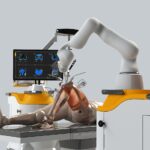
Robotic-Assisted Knee Replacement Surgery is an advanced approach to knee replacement that uses robotic technology to assist the orthopedic surgeon during important stages of the procedure.
The robotic system does not replace the surgeon. Instead, it provides detailed anatomical information and precision tools that can help the surgeon plan and perform the procedure according to the patient’s individual knee anatomy.
Personalized 3D Planning
Robotic knee replacement systems can create a detailed 3D representation of the patient’s knee. This helps the surgical team understand the individual anatomy and plan implant positioning before the procedure.
Greater Surgical Precision
During surgery, robotic assistance can help the surgeon follow the planned parameters and perform precise bone preparation.
This technology is designed to support the surgeon’s control and decision-making rather than operate independently.
Accurate Implant Positioning
Proper implant positioning and alignment are important factors in knee replacement. Robotic assistance can provide real-time information that helps the surgeon assess alignment and positioning during the procedure.
Supporting Knee Balance
A well-balanced knee is important for stability and function after replacement. Robotic technology can assist the surgeon in evaluating alignment and soft-tissue balance as part of the surgical process.
Early Mobilization and Rehabilitation
Modern joint replacement programs often focus on getting patients moving as early as medically appropriate.
Depending on the patient’s health, surgical technique and rehabilitation protocol, patients undergoing knee replacement may begin assisted walking soon after surgery.
However, recovery varies from person to person, and the treating orthopedic team determines the appropriate rehabilitation timeline for each patient.
When Should You Consider Joint Replacement?
Not every patient with joint pain requires surgery. However, an orthopedic consultation may be appropriate when pain becomes persistent and begins interfering with everyday activities.
You should consider consulting a joint replacement specialist if you experience persistent hip or knee pain, difficulty walking or climbing stairs, increasing joint stiffness, difficulty standing from a chair, noticeable joint deformity or inadequate improvement despite medication, injections or physiotherapy.
A specialist evaluation can help determine whether the condition can be managed conservatively or whether surgical treatment may be appropriate.
Taking the First Step Toward Better Mobility
This patient’s recovery demonstrates how severe joint degeneration can affect everyday life and how appropriate surgical treatment can help patients begin their journey toward improved mobility.
After living with AVN-related joint problems for approximately 1.5 years, he was able to take assisted steps soon after surgery and experienced significant improvement during the first few days of recovery.
His journey also highlights the importance of choosing the right treatment at the right time, supported by experienced orthopedic care and structured rehabilitation.
For patients suffering from advanced knee arthritis, developments such as Robotic Knee Replacement Surgery offer another advancement in modern orthopedic care, providing surgeons with advanced planning and precision tools for selected cases.
Every patient’s condition is different. The appropriate treatment depends on the cause and severity of joint damage, medical history, age, activity level and overall health.
If persistent hip or knee pain is limiting your movement or affecting your quality of life, consulting an experienced orthopedic joint replacement specialist can help you understand your condition and explore the treatment options best suited to your needs.
Recent Posts
-
AVN joint replacement surgery
-
 Why Gym Injuries and Sports Trauma Are Increasing Rapidly Among Young Adults and Fitness Enthusiasts
 -
 Ignoring Advanced Surgical Options While Robotic Knee Replacement Continues Becoming the Future of Joint Care
 -
 Not because the pain was manageable, but because he was afraid of surgery.
 -
 Still Worried About Long Recovery Periods and Limited Mobility After Knee Replacement Surgery