
Orthopedic treatment has entered a new age—one where precision, personalization, and quicker recovery are at the forefront. Robotic-assisted surgery, a revolutionary technology, is at the center of this revolution that is transforming orthopedic procedures. From knee and hip replacements to spine surgery, robotic platforms are improving surgical precision, patient outcomes, and overall experience.
- What Is Robotic-Assisted Orthopedic Surgery?
Robot-assisted surgery isn’t robotic surgery per se. Rather; it is integrating the skill of a highly trained surgeon with the advanced accuracy of robotic technology. These systems offer real-time 3D visualization, data analysis, and mechanical assistance to enable surgeons to conduct procedures with sub-millimeter precision.
The most widely employed systems, like NAVIO, and ROSA, aid in pre-operative planning as well as intraoperative performance. They support each cut, alignment, and placement of the implant being done in accordance with an individualized surgical plan.
- Smarter Planning, Personalized Precision
Conventional operations depend on X-rays and general anatomical assumptions. Robotic systems, on the other hand, start with high-resolution CT scans or 3D models of the patient’s individual anatomy. This enables the orthopedic surgeon to develop a detailed, personalized surgical plan well before the first cut is made.
This customized planning comes back through to improved implant alignment, increased natural joint motion after surgery, and reduced revision surgery risks. Whether a total knee arthroplasty or a partial hip operation, robotic technology makes every step uniquely suited to the patient.
- Robots to Increase Surgical Precision
One of the most powerful advantages of robotic-assisted surgery is that it offers unequalled accuracy. The robotic arm gives instant feedback and limits movement to the set limits within the boundaries of the surgical plan. This entails:
- Increased accurate bone cuts
- Optimal positioning of the implant
- Minimal trauma to the adjacent tissues
- Improved balance in the tension of the soft tissue and ligaments
This degree of precision minimizes the risk of complications such as implant misalignment or unwanted wear—two leading reasons for revision surgery in conventional procedures.
- Better Outcomes, Quicker Recovery
Less invasive procedures facilitated by robotic support result in:
- Smaller cuts
- Less blood loss
- Less post-operative pain
- Shorter hospital stay
- Shorter rehabilitation timeline
Patients tend to regain mobility more quickly and resume daily activities with less difficulty. In most instances, robotic-assisted procedures are now being done on an outpatient basis, particularly in high-tech orthopedic facilities.
- The Patient Experience: Confidence and Clarity
For patients, robotic-assisted surgery provides something invaluable: peace of mind. Having the assurance that their procedure is done with the latest technology, customized planning, and increased accuracy reduces anxiety and increases confidence in the treatment process.
Surgeons also can present patients with 3D models of their joints and explain the surgical plan beforehand, which helps build trust and promotes more engaged patients.
- The Future of Orthopedic Surgery
Robot systems are only becoming more intelligent. Integrations with AI (Artificial Intelligence) and machine learning are already in process, with systems learning from thousands of procedures to enhance future operations. These learnings enable more precise predictions, enhanced surgical planning, and enhanced patient-specific outcomes.
Robotics is also leading the way for smart implants—prosthetics with sensors that give real-time feedback on alignment, pressure, and wear patterns, assisting in monitoring long-term success after surgery.
- Pioneering Robotic Orthopaedics: Dr. Saurabh Giri, Pune
At Helios Orthojoint in Pune, Renowned for his expertise, Dr. Saurabh Giri blends cutting-edge robotic techniques with a personalized, empathetic approach to orthopaedic care. With a history of successful robot-assisted joint replacement Sith a focus on precision and care, Dr. Giri offers innovative treatments that help patients move freely and live better.
Whether you are thinking about knee replacement, hip surgery, or looking into possibilities for chronic joint pain, robotic-assisted surgery with the attention of a master expert can provide the safest, most accurate route to recovery.
- Summary
Robotic-assisted orthopedic surgery is a state-of-the-art technology in orthopedic treatment providing greater accuracy, reduced recovery time, and better results. It is particularly valuable for those with joint problems necessitating surgery, including knee or hip arthroplasty. With the integration of sophisticated imaging and robotic assistance, the process enables very precise implantation and negligible tissue disruption, resulting in rapid restoration of mobility and everyday activities.
Dr. Saurabh Giri is a renowned orthopedic surgeon in PCMC, Pune, and has expertise in robotic joint replacement surgeries at his state-of-the-art clinic, Helios Orthojoint. With over a decade of surgical expertise, Dr. Giri has successfully treated hundreds of patients and brought them back on the path to mobility and pain-free living through minimally invasive treatments. If you are suffering from joint pain or have been told that you need to have surgery, talk to Dr. Giri to find out how robotic surgery can transform your recovery and improve your quality of life.
Recent Posts
-
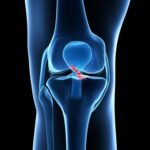 Still Playing Sports with an ACL Tear While Long-Term Knee Damage Continues Increasing with Every Activity.
 -
AVN joint replacement surgery
-
 Why Gym Injuries and Sports Trauma Are Increasing Rapidly Among Young Adults and Fitness Enthusiasts
 -
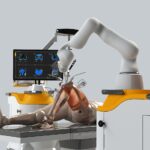 Ignoring Advanced Surgical Options While Robotic Knee Replacement Continues Becoming the Future of Joint Care
 -
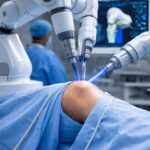 Not because the pain was manageable, but because he was afraid of surgery.