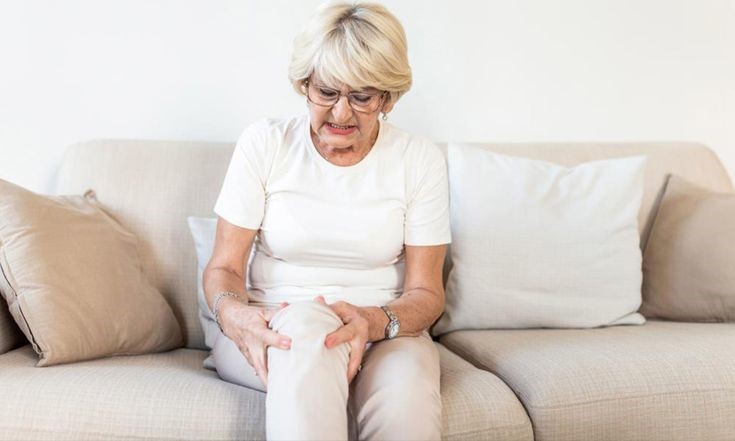
Why Sedentary Lifestyles Are Increasing Severe Knee Problems Among Adults in Their 40s and 50s
There was a time when Vikram barely sat still.
Work meetings, weekend cricket matches, evening walks, family trips, and daily routines kept him naturally active throughout the day. But over the years, life slowly became more desk-bound. Long office hours replaced movement. Most of his day was spent sitting in front of screens, driving through traffic, attending virtual meetings, and relaxing on the couch after work because he felt “too tired” to exercise.
At first, nothing seemed wrong.
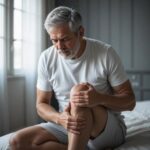
Then came occasional stiffness in the knees after getting up from his chair. Climbing stairs started feeling uncomfortable. Sitting for long hours caused tightness around the joints. Slowly, even short walks began causing pain.
Like many adults in their 40s and 50s, Vikram assumed it was simply “normal aging.”
But the reality is that modern sedentary lifestyles are quietly becoming one of the biggest contributors to worsening knee problems among middle-aged adults today.
Long hours of sitting reduce muscle activity around the knees, weaken joint support, increase stiffness, and gradually affect mobility over time. Studies have shown that prolonged sedentary behavior is strongly associated with worsening knee function, joint stiffness, and reduced physical performance in people with knee osteoarthritis. (PMC)
The human body is designed for movement.
Knee joints depend heavily on regular motion to maintain flexibility, muscle strength, circulation, and joint lubrication. When movement decreases for years due to desk jobs, screen-heavy lifestyles, lack of exercise, or prolonged sitting, the muscles supporting the knee gradually weaken. This places additional stress directly on the joint surfaces and cartilage.
Over time, this imbalance can accelerate joint wear and tear.
What makes the problem worse is that sedentary lifestyles are often connected with weight gain, poor posture, reduced flexibility, and slower recovery from minor injuries. Even a small increase in body weight can place significant additional pressure on the knees every single day. (Spire Healthcare)
Many adults begin noticing symptoms gradually:
- Stiffness after sitting for long periods.
- Pain while climbing stairs.
- Difficulty standing comfortably.
- Reduced flexibility.
- Cracking sounds in the knees.
- Swelling after activity.
- Pain during walking or exercise.
Initially, these symptoms may appear manageable. But ignoring them for years can eventually lead to advanced osteoarthritis, cartilage damage, ligament strain, and chronic mobility problems.
Research also suggests that people who remain highly sedentary often enter a difficult cycle where pain reduces movement, and reduced movement worsens the pain further. (Nature)
This cycle affects more than physical health.
Many individuals in their 40s and 50s begin feeling emotionally frustrated because pain quietly limits their lifestyle. Morning walks stop. Travel becomes tiring. Fitness routines disappear. Family outings feel exhausting. Confidence during movement reduces slowly over time.
What surprises many patients is that severe knee problems are now appearing much earlier than before. Studies and orthopedic experts are increasingly observing rising knee damage and arthritis symptoms even among adults in their 30s and 40s, especially due to sedentary routines, obesity, and untreated joint stress. (The Times of India)
According to Dr. Saurabh Giri from Helios Orthojoint, early orthopedic care is extremely important because not every knee problem requires surgery.
This is one of the biggest misconceptions patients have.
In many cases, timely treatment through physiotherapy, weight correction, muscle strengthening, lifestyle improvements, joint preservation treatment, regenerative therapy, and minimally invasive orthopedic procedures can help slow down degeneration and improve mobility significantly.
The goal is always to preserve the natural joint whenever possible.
However, when severe arthritis or advanced cartilage damage develops after years of neglect, modern orthopedic surgery may become necessary to restore movement and quality of life.
Today, robotic knee replacement in Pune has transformed recovery experiences for many patients. Advanced systems like the CUVIS Robotic Knee Replacement System allow improved precision, muscle-sparing techniques, and better joint alignment designed to support smoother movement and faster recovery after joint replacement.
Modern orthopedic treatment is no longer focused only on reducing pain temporarily. It is increasingly centered around restoring confidence, independence, and active lifestyles.
At Helios Orthojoint, treatment approaches are personalized depending on the patient’s age, mobility needs, lifestyle, and severity of joint damage. Whether the condition requires joint preservation treatment, arthroscopy surgery Pune, sports injury rehabilitation, ACL reconstruction Pune, or advanced joint replacement surgery Pune, the focus remains helping patients move comfortably again.
The good news is that small lifestyle changes made early can make a major difference later. Regular walking. Strengthening exercises. Maintaining healthy weight. Stretching routines. Avoiding prolonged sitting. Early orthopedic evaluation for recurring pain.These habits help protect the knees long before severe damage develops.Because sometimes the biggest risk to joint health is not intense activity.It is the gradual loss of movement itself.
Conclusion
Sedentary lifestyles are increasingly contributing to knee stiffness, joint degeneration, and mobility problems among adults in their 40s and 50s. Early orthopedic care and lifestyle correction can help protect joint health, preserve mobility, and prevent severe long-term knee damage.
Dr. Saurabh Giri
Helios Orthojoint
Pimple Saudagar, Pune
Website: www.kneereplacementsurgeonpune.com
Phone: +91 9156580303
Timing: Monday to Saturday – 10:00 AM to 09:00 PM
Recent Posts
-
 Ignoring Advanced Surgical Options While Robotic Knee Replacement Continues Becoming the Future of Joint Care
 -
 Not because the pain was manageable, but because he was afraid of surgery.
 -
 Still Worried About Long Recovery Periods and Limited Mobility After Knee Replacement Surgery
 -
 Why Traditional Knee Surgery Is Gradually Losing Preference in the Era of Robotic Orthopedic Procedures
 -
 Afraid of Knee Replacement Surgery Due to Fear of Pain, Recovery Time, and Surgical Complications