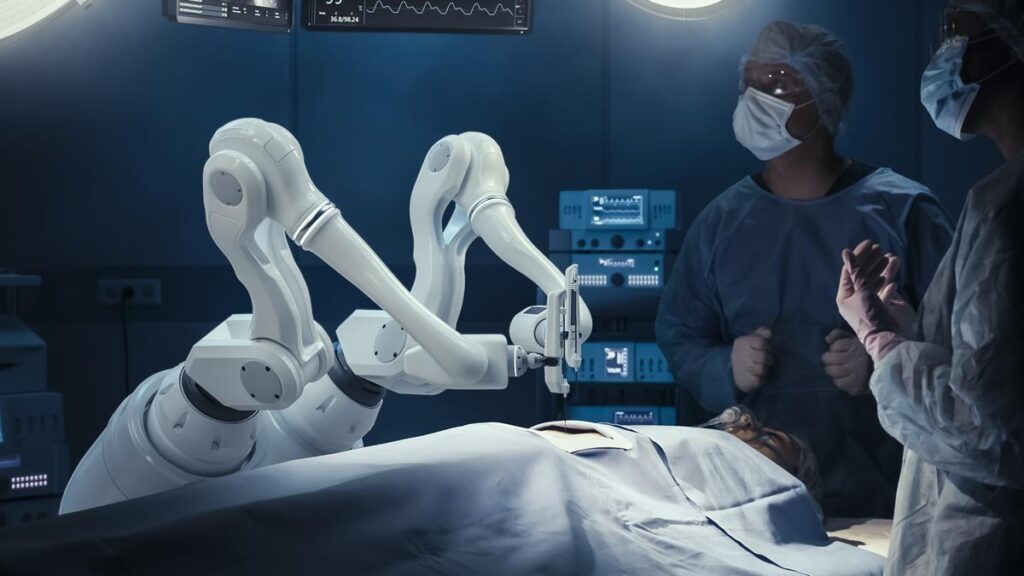
Joint pain is no longer just a problem of aging—it’s becoming increasingly common among young professionals, athletes, and even those with sedentary lifestyles. The good news? Technology is transforming how orthopedic conditions are diagnosed and treated.
Artificial Intelligence (AI) is now playing a major role in making treatments faster, more accurate, and more personalized than ever before.
How AI Is Revolutionizing Diagnosis
Traditionally, diagnosing joint problems relied heavily on physical examinations and imaging like X-rays or MRIs. While effective, these methods sometimes miss early-stage issues.
AI-powered tools can now:
- Analyze scans with higher precision
- Detect early cartilage damage or ligament issues
- Predict future joint degeneration
This means patients can begin treatment much earlier—often avoiding surgery altogether.
Personalized Treatment Plans Like Never Before
One of the biggest advantages of AI in orthopedics is customization. No two patients are the same, and AI helps doctors tailor treatments based on:
- Age and lifestyle
- Activity level
- Severity of joint damage
- Recovery patterns from similar cases
Experienced specialists like Dr. Saurabh Giri, a leading Joint Replacement and Arthroscopy Surgeon practicing in Pune and PCMC, are increasingly integrating advanced diagnostic insights with clinical expertise to design highly effective, patient-specific treatment plans.
Faster and Smarter Recovery Monitoring
Recovery doesn’t end after treatment—it’s a continuous process. AI-powered tools and wearable devices now allow:
- Real-time tracking of movement and progress
- Alerts for incorrect posture or risky movements
- Data-driven physiotherapy adjustments
This ensures patients recover faster and reduce the chances of re-injury.
Patients consulting experts such as Dr. Saurabh Giri benefit from a combination of modern technology and hands-on orthopedic care, ensuring both safety and efficiency throughout recovery.
The Role of Robotics in Surgery
AI is also enhancing surgical precision through robotic-assisted procedures. These technologies help surgeons:
- Perform minimally invasive surgeries
- Improve implant positioning
- Reduce recovery time and complications
For patients, this means less pain, smaller scars, and quicker return to daily activities.
Why Early Intervention Matters More Than Ever
With AI detecting issues earlier, patients no longer need to “wait until it gets worse.” Early diagnosis leads to:
- Non-surgical treatment options
- Better long-term joint health
- Reduced healthcare costs
If you’re experiencing persistent discomfort, consulting a specialist early can make a significant difference.
Conclusion
AI is not replacing doctors—it’s empowering them. The combination of advanced technology and experienced orthopedic care is redefining how joint pain is treated today.
If you’re dealing with knee, hip, or joint issues, consulting an experienced specialist can help you access the benefits of modern orthopedic advancements along with expert clinical judgment.
Dr. Saurabh Giri is one of the experienced and leading Joint Replacement and Arthroscopy Surgeons practicing in Pune and PCMC.
Contact Details:
- Kharadi – +91 9028364975
- P. Saudagar – +91 9156580303
- Moshi – +91 9028364976
- Bhosale Nagar – +91 9028364974
Recent Posts
-
 Ignoring Advanced Surgical Options While Robotic Knee Replacement Continues Becoming the Future of Joint Care
 -
 Not because the pain was manageable, but because he was afraid of surgery.
 -
 Still Worried About Long Recovery Periods and Limited Mobility After Knee Replacement Surgery
 -
 Why Traditional Knee Surgery Is Gradually Losing Preference in the Era of Robotic Orthopedic Procedures
 -
 Afraid of Knee Replacement Surgery Due to Fear of Pain, Recovery Time, and Surgical Complications