
Osteoarthritis, trauma, and degenerative joint diseases of the knee can cause disabling pain and deterioration in lifestyle. Knee replacement surgery is effective after the failure of conservative modes of treatment such as medications, physiotherapy, and injections. The advances in medical technology have resulted in robotic-assisted knee replacement emerging as one of the most accurate and reliable surgical options available today.
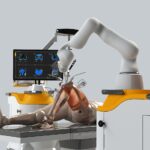
Unlike traditional knee replacement, this surgery is performed with a high-precision robotic system driven by the surgeon. The technology allows your surgeon to create a detailed 3D model of the knee, plan the exact placement, and execute with accuracy. This leads to a more customized surgery, precise alignment, quicker recovery, and ultimately, long-term success. If you are contemplating knee replacement, you will want to understand the benefits of robotic-assisted surgery.
Here are the top 7 benefits of robotic-assisted knee replacement that you should know:
1. Unrivaled Surgical Precision
Robotic-assisted systems allow surgeons to plan the surgery with micrometre-level accuracy. In this, a 3D virtual model of the patient’s knee is created to identify the exact damaged area and determine the optimal implant placement. During surgery, this robotic arm guides the surgeon within predefined boundaries, hence allowing a very minute margin for error. This precision directly results in better knee function and long-term implant stability.
2. Personalized Implant Placement for Each Patient
Each person’s anatomy of the knee is different, and robotic-assisted surgery embraces this fact. Through real-time imaging and bone mapping, surgeons can tailor the positioning of implants to correspond with the structure, ligament balance, and alignment of the patient. This allows for the most natural feeling while walking, bending, and climbing stairs-something that may not always be achieved by traditional knee surgery.
3. Less Damage to Soft Tissues
These involve more extensive bone cuts and handling of the tissues, as the conventional methods do. Robotic assistance allows surgeons to operate within defined boundaries that limit unnecessary soft-tissue disruption. Less bone removal and better protection of surrounding ligaments reduce postoperative pain and hasten recovery with improved function.
4. Faster Recovery and Early Mobility
Of all the benefits, one of the most well-recognized advantages for patients treated with robotic-assisted knee replacement is the shorter rehabilitation period. Patients often mention early mobility, heightened comfort, and quicker returns to daily activities compared to conventional surgeries. Smoother physical therapy enabled by better implant positioning accuracy and reduced tissue damage imparts self-confidence to walk independently within a very short time.
5. Lower Risk of Complications after Surgery
Because the robotic system eliminates manual guessing and increases accuracy, it reduces the possibility of complications such as misalignment, instability, or uneven wear of implants. Also, the controlled surgical boundaries reduce the risk of infection and intraoperative trauma. All these factors put together enhance patient safety and contribute toward the long-term success of the implant.
6. Improved Long-Term Implant Life
For this reason, the longevity of implants is greatly dependent on proper alignment and positioning. Misalignment can cause early wear, loosening, and the need for revision surgery. Robotic assistance provides a more balanced and stable knee joint by restoring the natural alignment of the leg, increasing the durability of the implant and making it favorable for both younger and older patients seeking long-term relief from knee pain.
7. Improved Patient Satisfaction and Natural Feel
In most situations, patients that receive robotic-assisted knee replacement feel that their joint movement is smoother, along with a more natural type of bending. Because the implants are being placed with greater precision and the ligament tension balanced accurately, many times people feel that the new knee behaves more like a natural joint than an artificial one. This significantly boosts confidence and improves overall quality of life post-surgery.
Who Should Consider Robotic-Assisted Knee Replacement?
- This technique is suited to:
- In severe osteoarthritis or joint degeneration patients,
- People experiencing chronic knee pain that limits daily mobility
- Those who have failed to respond to conservative treatment
- Younger individuals seeking a permanent solution
- Athletes or active people who need high performance with durability
Robotic-assisted knee replacement is also a beneficial treatment for patients who desire to minimize downtime and recover more quickly with maximum accuracy.
Conclusion Robotic-assisted knee replacement is a big leap forward in joint replacement surgery, offering much better precision, customized implant placement, lesser tissue damage, fewer complications, quicker recovery, and reliable outcomes with high patient satisfaction. For chronic knee pain patients who are thinking about knee replacement, robotic-assisted surgery is a smart and futuristic alternative for long-term mobility and comfort. If you are looking for the safest and most advanced knee replacement options, expert guidance can make all the difference. Dr. Saurabh Giri is a Pune-based Joint Replacement and Arthroscopy Specialist. He is an expert in knee, hip, and sports injury surgeries. As one of the top robotic knee replacement surgeons, he offers successful outcomes with the newest surgical technologies
Recent Posts
-
 Ignoring Advanced Surgical Options While Robotic Knee Replacement Continues Becoming the Future of Joint Care
 -
 Not because the pain was manageable, but because he was afraid of surgery.
 -
 Still Worried About Long Recovery Periods and Limited Mobility After Knee Replacement Surgery
 -
 Why Traditional Knee Surgery Is Gradually Losing Preference in the Era of Robotic Orthopedic Procedures
 -
 Afraid of Knee Replacement Surgery Due to Fear of Pain, Recovery Time, and Surgical Complications