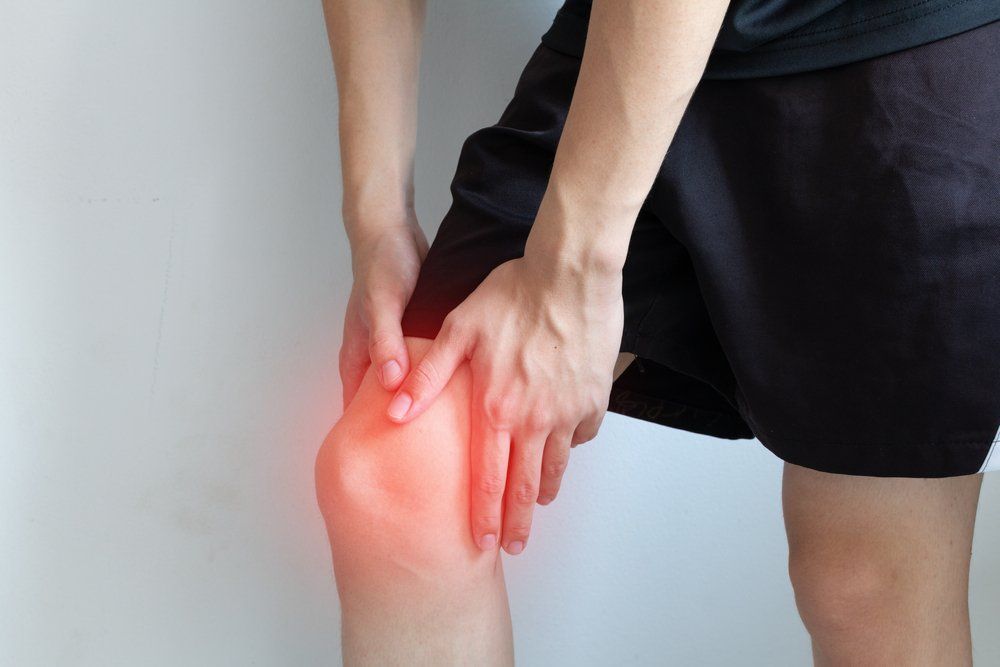
Your knees do a lot of heavy lifting. Whether you’re walking, squatting, climbing stairs, or playing sports, your knees help carry your weight and keep you moving. At the center of this movement lies the meniscus—a C-shaped cartilage in your knee that acts as a shock absorber between the thigh bone (femur) and shin bone (tibia).
When this cartilage is torn, it can lead to pain, swelling, stiffness, and reduced motion. While some minor meniscus injuries can heal on their own with rest and physiotherapy, more serious tears may require surgical intervention—especially if they affect daily movement or athletic performance.
What is Meniscus Surgery?
Meniscus surgery is a procedure performed by an orthopedic surgeon to repair or remove the damaged portion of the meniscus cartilage in the knee. The goal is to reduce pain, restore function, and prevent long-term joint damage.
There are two main types of meniscus surgery:
- Meniscectomy: Removal of the torn part of the meniscus
- Meniscus Repair: Stitching and repairing the torn cartilage (only possible for certain types of tears)
The decision depends on the size, location, and severity of the tear, as well as the patient’s age, activity level, and knee health.
When Do You Need Meniscus Surgery?
While not every meniscus tear requires surgery, you may be a candidate if:
- You experience persistent knee pain and swelling that doesn’t improve with rest
- Your knee frequently locks, clicks, or gives way
- You have difficulty bending or straightening the knee
- You’re an athlete or active individual wanting to return to high-impact sports
- Non-surgical treatments (like physiotherapy or injections) have failed
Some tears located on the outer edge of the meniscus (known as the “red zone”) have a better blood supply and may heal without surgery. However, complex or degenerative tears, especially in older adults, often require surgical attention.
What Happens During the Procedure?
Meniscus surgery is usually performed as a minimally invasive arthroscopic procedure. Here’s a step-by-step overview:
- Preparation: The patient is given regional or general anesthesia, depending on the case.
- Arthroscopy Begins: The surgeon makes two or three small incisions around the knee.
- Camera & Instruments: A tiny camera (arthroscope) is inserted to visualize the knee joint. Specialized tools are used to trim, remove, or repair the torn meniscus.
- Completion: Once the procedure is complete, the instruments are removed, and the incisions are closed with sutures or surgical tape.
The surgery usually takes 30 to 60 minutes, and most patients go home the same day.
Recovery After Meniscus Surgery
The recovery timeline depends on the type of procedure:
- Meniscectomy: Faster recovery—many patients walk without crutches within a few days and resume light activity within 2-3 weeks.
- Meniscus Repair: Longer healing—requires crutches for a few weeks and physiotherapy over 6-8 weeks or more.
In both cases, physical therapy is essential to strengthen the muscles around the knee, improve flexibility, and restore balance.
Most patients can expect to return to normal activities, including sports, within 2 to 3 months, depending on individual healing.
Risks and Considerations
Meniscus surgery is generally safe, especially when performed by an experienced orthopedic surgeon like Dr. Saurabh Giri, but like any surgical procedure, it carries some risks:
- Infection
- Knee stiffness
- Blood clots (rare)
- Incomplete relief of symptoms if there’s additional joint damage
A thorough evaluation and personalized approach help reduce these risks and improve outcomes.
Why Choose Dr. Saurabh Giri in Pune?
Dr. Saurabh Giri is a trusted name in knee and sports injury surgeries in Pune. With extensive experience in arthroscopic procedures, including meniscus repair and ACL reconstruction, he ensures that each patient receives tailored treatment—from diagnosis to rehab.
His clinic is equipped with advanced diagnostics, modern surgical tools, and a dedicated physiotherapy unit for post-operative care—making it a comprehensive destination for knee care in Maharashtra.
Conclusion
A torn meniscus can be painful, frustrating, and limiting—but the good news is, with modern arthroscopic techniques and expert care, most patients recover fully and return to active lifestyles.
Dr. Saurabh Giri, a renowned Orthopedic and Joint Replacement Surgeon in Pune, specializes in arthroscopic knee procedures, including meniscus surgery, ACL reconstruction, and sports injury management. With his commitment to evidence-based care and minimally invasive techniques, Dr. Giri provides personalized treatment plans that restore function and improve quality of life for every patient. Whether you’re an athlete, a working professional, or a senior struggling with joint pain, his expertise ensures you’re in safe hands.
Recent Posts
-
 Ignoring Advanced Surgical Options While Robotic Knee Replacement Continues Becoming the Future of Joint Care
 -
 Not because the pain was manageable, but because he was afraid of surgery.
 -
 Still Worried About Long Recovery Periods and Limited Mobility After Knee Replacement Surgery
 -
 Why Traditional Knee Surgery Is Gradually Losing Preference in the Era of Robotic Orthopedic Procedures
 -
 Afraid of Knee Replacement Surgery Due to Fear of Pain, Recovery Time, and Surgical Complications