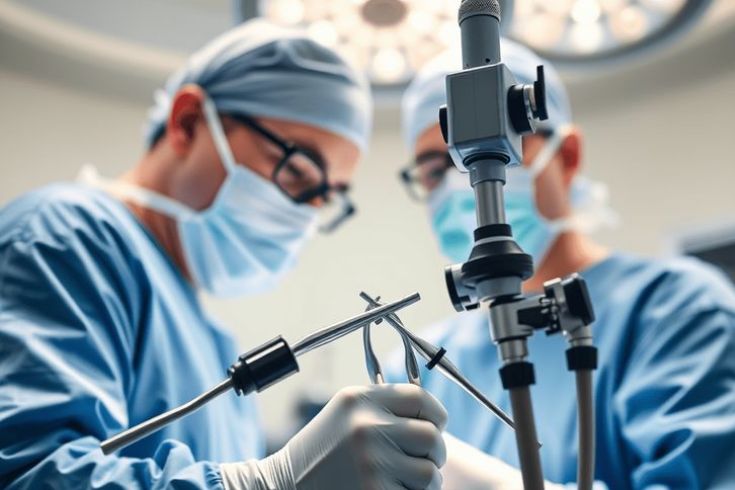
Surgery is a scary word. The mere mention of it brings visions of extensive hospitalizations, large incisions, agonizing recoveries, and weeks or months of restricted mobility. For countless individuals enduring chronic knee or hip pain, this fear is the strongest motivation for postponing appropriate care. However, modern medicine has evolved — big time. Minimally invasive orthopedic surgery is not a fad; it’s a game-changer that’s revolutionizing lives.
In our state-of-the-art orthopedic clinic in Pune, we are experts at minimally invasive procedures for joint replacement surgery, sports injury rehabilitation, and degenerative joint diseases. These methods have patients recovering sooner, experiencing less pain, and far greater results. Let’s learn more about them and how you have no reason to fear surgery anymore.
What Is Minimally Invasive Orthopedic Surgery?
Minimally invasive surgery (MIS) is surgery done through incisions smaller than those made in standard open surgery. These surgeries incorporate specialized tools, such as small cameras (arthroscopes) and high-definition screens, enabling the surgeon to visualize and work with incredible accuracy — without having to cut through large tracts of muscle or tissue.
In orthopedics, MIS is frequently applied for:
Knee Replacement (Total and Partial)
Hip Replacement
ACL Reconstruction
Meniscus Repair
Fracture Fixation
Regenerative Cell Injections
Benefits That Truly Make a Difference
Smaller Cuts, Smaller Scars
Conventional joint operations often involve cuts of 8–12 inches or greater. Less invasive surgery lowers that to approximately 3–5 inches. With less trauma to the surrounding tissues comes fewer stitches, smaller scars, and better cosmetic results — which are important to many patients.
Less Discomfort and Blood Loss
Since the damage to the muscles and tendons surrounding the joint is very minimal, patients feel less pain after surgery. This usually translates to lesser dependency on painkillers and a more comfortable recovery process. Blood loss is also remarkably less, making transfusions and complications less necessary.
Shorter Hospital Stay & Faster Recovery
With open surgery, patients can be in the hospital for as much as a week. With minimally invasive surgery, this can be cut to 1-2 days or even day-care surgery (same-day discharge) in some cases. The majority of patients are up and ambulating (with support) within 24 hours. That’s getting back to your life faster — with greater mobility.
Lower Risk of Infection and Complications
Minimal incisions and quicker healing make complications like blood clots and wound infections less likely. The body does not have to be inactive for as long, so recovery goes well and easily.
Technology-Driven Precision
Another reason that MIS is so successful nowadays is through the use of computer-guided and robotic technology. We use robotic accuracy at our center to aid in knee and hip replacement surgery. These instruments assist us:
Align the implant with nearly perfect accuracy
Save more of your natural bone and ligaments
Tailor the surgery to your body’s individual anatomy
This yields improved joint function and lifetime of the implant.
Who Is a Candidate for Minimally Invasive Surgery?
Most patients who are suffering from:
Osteoarthritis
Rheumatoid arthritis
Sports injuries (such as ACL or meniscus tears)
Avascular Necrosis (AVN)
Hip or knee degeneration
That’s why your initial consultation with an orthopedic specialist is important. We conduct advanced imaging and complete physical examination to make the best, evidence-based recommendation for you.
Patient Success Stories Speak Volumes
We’ve seen countless patients — from young athletes to seniors in their 70s — walk out of the clinic pain-free, confident, and mobile just days after their procedure. Whether it’s robotic knee replacement, ACL repair, or regenerative joint therapy, the focus remains on healing with less pain and more precision.
Takeaway: Surgery Isn’t What It Used to Be
Those days of weeks of bed rest and months of agony following joint surgery are behind us. Now, with minimally invasive procedures, you’re in control of healing faster, moving better, and getting back to the life you love — sooner.
Conclusion
Minimally invasive joint surgery is revolutionizing orthopedic care by offering patients faster recovery, smaller scars, and significantly less pain — all without compromising surgical outcomes. Whether you’re struggling with chronic knee pain, hip arthritis, or a sports injury, advanced techniques like robotic-assisted knee replacement and arthroscopic ligament repair can restore your mobility with greater comfort and precision. If you’re in Pune and looking for expert care, Dr. Saurabh Giri, a leading Orthopaedic Surgeon and Joint Replacement Specialist, offers personalized, evidence-based treatment tailored to your needs. Visit our clinic today and take the first step toward a pain-free, active life.
Recent Posts
-
 Ignoring Advanced Surgical Options While Robotic Knee Replacement Continues Becoming the Future of Joint Care
 -
 Not because the pain was manageable, but because he was afraid of surgery.
 -
 Still Worried About Long Recovery Periods and Limited Mobility After Knee Replacement Surgery
 -
 Why Traditional Knee Surgery Is Gradually Losing Preference in the Era of Robotic Orthopedic Procedures
 -
 Afraid of Knee Replacement Surgery Due to Fear of Pain, Recovery Time, and Surgical Complications