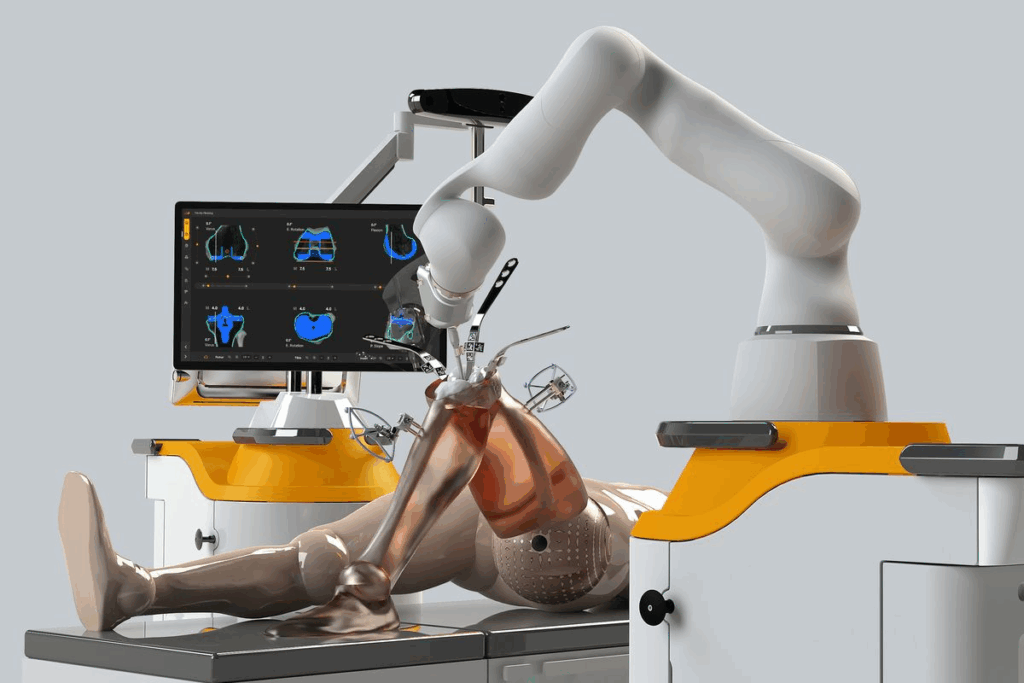
Knee pain, whether from injury or conditions like arthritis, can severely affect one’s quality of life. Robotic knee replacement surgery has revolutionized treatment, providing patients with quicker recovery times, increased precision during surgery, and better overall results. This advanced approach has made the knee replacement process more efficient, helping individuals regain mobility and reduce post-operative discomfort faster than traditional methods.
Here, we explore the top five benefits of opting for advanced robotic knee replacement surgery.
1. Enhanced Precision and Accuracy
One of the standout advantages of robotic knee replacement surgery is its unmatched precision. Traditional knee surgeries largely depend on the surgeon’s manual dexterity, but robotic systems integrate real-time 3D imaging, providing a highly detailed map of the patient’s knee. This allows the surgeon to plan the procedure with incredible accuracy, resulting in:
• Optimal alignment of the knee prosthesis.
• Better placement of the implant for improved function.
• Minimized risk of misalignment, reducing the chance of post-surgery complications.
The robot’s ability to follow a precise path based on the individual’s anatomy ensures that the replacement is as accurate as possible, contributing to long-term success and minimal discomfort.
2. Faster Recovery and Reduced Pain
Traditional knee replacement surgeries often require larger incisions, leading to prolonged healing times and greater pain post-operation. Robotic knee replacement uses smaller incisions and minimally invasive techniques that cause less disruption to the surrounding muscles and tissues, resulting in:
• Reduced pain and inflammation post-surgery.
• Faster recovery times, with many patients able to return home on the same day.
• Lower risk of infection due to smaller surgical openings.
With quicker healing times, patients can begin rehabilitation sooner, speeding up their return to regular activities. This faster recovery is one of the main reasons many patients prefer robotic-assisted surgery over traditional methods.
3. Improved Longevity of the Implant
The longevity of the knee implant plays a vital role in ensuring the success of the surgery over time. Proper alignment and placement of the implant are key factors in maintaining its durability and functionality for many years, ultimately contributing to a smoother and more comfortable post-surgery experience. One of the key benefits of robotic surgery is that it ensures greater accuracy in the positioning of the implant, which is critical for its longevity. Misalignment can lead to premature wear on the implant, increasing the need for future surgeries.
By ensuring that the implant is placed in the optimal position, robotic-assisted surgery:
• Minimizes the wear and tear on the artificial knee joint.
• Minimizes stress on the prosthesis, which prevents it from loosening.
• Enhances implant longevity, helping it to last longer, often for decades.
For many patients, this means fewer revision surgeries in the future and a more natural knee function over time.
4. Personalized Approach for Every Patient
Not every knee is the same, and a one-size-fits-all approach doesn’t work for everyone. Robotic systems allow for customized surgical planning based on the patient’s unique anatomy, taking into account factors like bone structure, alignment, and overall health. The robot can create a personalized surgical plan, which helps:
• Ensure that the prosthesis fits perfectly, matching the natural anatomy of the knee.
• Adapt the surgical approach to address specific concerns like deformities or bone damage.
• Tailor the procedure to match the patient’s lifestyle, whether they are an athlete or lead a more sedentary lifestyle.
This level of personalization results in better comfort and natural movement post-surgery, making the knee feel and function more like it did before the injury.
5. Reduced Risk of Complications
As with any surgical procedure, there is always a risk of complications, but robotic knee replacement significantly lowers the chances of these issues. Thanks to the robot’s precision and real-time feedback, the surgeon has better control during the operation, reducing the risk of:
• Infection, due to smaller incisions and less tissue disturbance.
• Thanks to the precision of the robotic system, the risk of excessive bleeding is minimized during the procedure.
• Nerve or tissue damage, which is a common concern with traditional methods.
The system also tracks and adjusts during the surgery, allowing for real-time decisions to avoid potential issues and ensure that the procedure goes smoothly. This results in a safer experience for patients with fewer post-surgical problems.
Conclusion
Advanced robotic knee replacement surgery offers a range of benefits that enhance the surgical experience and improve the outcome for patients. With improved precision, faster recovery, longer-lasting implants, and customized treatment plans, this innovative approach is transforming the way knee replacement surgeries are performed. If you’re considering knee replacement surgery, robotic-assisted surgery may be the right choice for a more precise, safer, and effective solution.
If you’re facing persistent pain, instability, or limited movement after a knee replacement, it’s essential to consult a specialist. Helios Orthojoint, under the expert guidance of Dr. Saurabh Giri, one of Pune’s leading orthopedic surgeon, offers advanced solutions in knee replacement and revision surgeries. Their patient-focused approach and modern treatment techniques are designed to help you restore mobility and return to a pain-free lifestyle with confidence.
Recent Posts
-
 Still Playing Sports with an ACL Tear While Long-Term Knee Damage Continues Increasing with Every Activity.
 -
AVN joint replacement surgery
-
 Why Gym Injuries and Sports Trauma Are Increasing Rapidly Among Young Adults and Fitness Enthusiasts
 -
 Ignoring Advanced Surgical Options While Robotic Knee Replacement Continues Becoming the Future of Joint Care
 -
 Not because the pain was manageable, but because he was afraid of surgery.