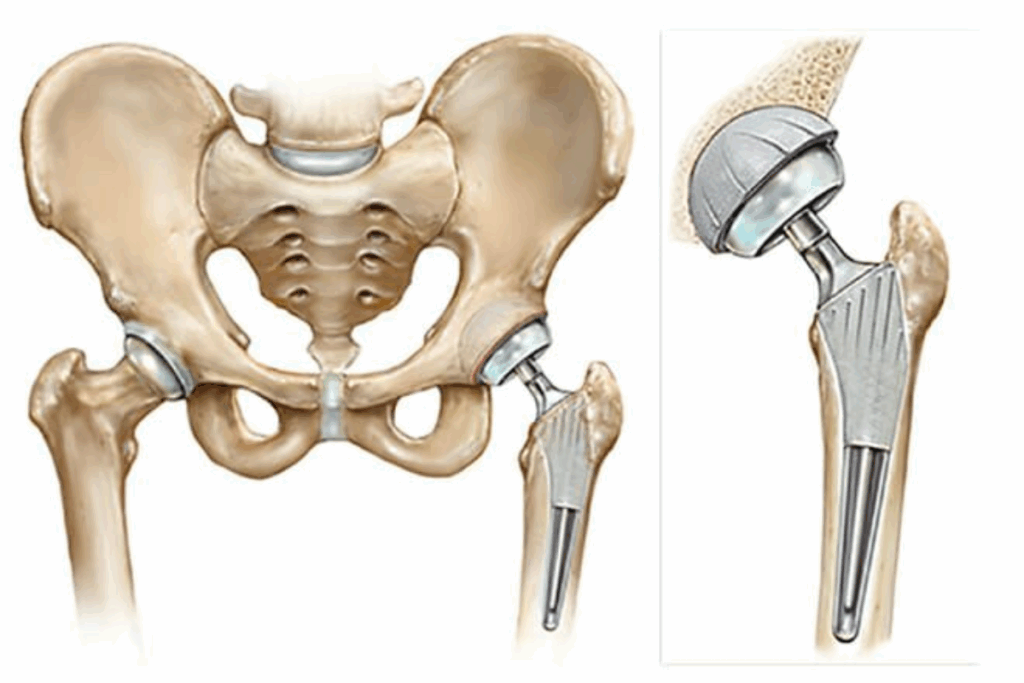
Living with hip joint issues can affect more than just mobility — it can also lead to leg length imbalance, posture problems, and chronic discomfort. Whether caused by arthritis, injury, or degenerative bone conditions, hip damage often alters the alignment of the pelvis and legs. For many patients, hip replacement surgery does more than relieve joint pain — it helps restore proper leg balance and dramatically improves overall quality of life.
Understanding Leg Length Discrepancy
Leg length discrepancy occurs when one leg is shorter or longer than the other. This can be structural (actual bone length difference) or functional (caused by joint misalignment or muscle tightness). While mild differences are common and often unnoticeable, larger discrepancies can cause:
- Difficulty walking or standing evenly
- Pelvic tilt or poor posture
- Lower back, knee, or hip pain
- Muscle fatigue or uneven wear on joints
In cases where Leg length discrepancy is related to hip joint degeneration, arthritis, or trauma, hip replacement surgery may be the key to correcting it.
The Role of Hip Replacement in Balancing Leg Length
Total Hip Replacement involves removing the damaged parts of the hip joint and replacing them with artificial components. This procedure not only restores joint function but also allows the surgeon to adjust the position and alignment of the femur and pelvis, effectively addressing Leg length discrepancy.
Key Benefits in Leg Balance Restoration:
• Accurate Repositioning of the Hip Socket: Surgeons realign the ball-and-socket structure, reducing any tilt or shortening caused by joint damage.
• Custom Implant Sizing: Modern implants come in a variety of sizes to match individual anatomy and restore symmetry.
• Use of Advanced Tools: Technologies like computer navigation and robotic-assisted systems help ensure the artificial joint is placed precisely to equalize leg length.
What Causes LLD Before and After Hip Surgery?
Patients often experience leg length imbalance due to:
- Long-standing arthritis or cartilage loss
- Previous fractures or deformities
- Muscle weakness causing pelvic misalignment
However, some patients may still feel a slight difference in leg length even after surgery. In most cases, this is temporary and due to:
- Muscle tightness or guarding after surgery
- Swelling or inflammation in the joint
- Postural habits developed over time
With time, physical therapy and guided rehabilitation help the body adjust, and the feeling of imbalance usually fades.
How Restoring Leg Balance Improves Quality of Life
Correcting leg length through hip replacement goes far beyond aesthetics. It brings measurable improvements in:
• Mobility
Patients often find it easier to walk, climb stairs, and return to daily activities without limping or discomfort.
• Posture and Spine Health
Proper leg length helps align the pelvis and spine, reducing lower back pain and preventing compensatory strain.
• Confidence and Independence
Even subtle LLD can affect balance and gait. After surgery, patients report greater ease in movement and a boost in self-esteem.
• Long-Term Joint Protection
Balanced leg length reduces uneven wear on the knees, ankles, and lower back, helping preserve overall joint health.
Advanced Techniques for Better Results
Modern orthopedic procedures have significantly reduced the chances of post-surgical leg length issues. Surgeons today use:
- Pre-surgical planning with 3D imaging
- Intraoperative leg length measurement tools
- Robotic-assisted systems for enhanced precision
These technologies allow orthopedic specialists to make data-driven decisions during surgery, ensuring optimal leg alignment.
Summary
Hip replacement surgery is no longer just a solution for joint pain—it’s a powerful tool for restoring balance, improving gait, and helping patients reclaim their active lifestyle. By addressing leg length discrepancy and improving joint mechanics, this procedure has become a game-changer for those suffering from advanced hip conditions.
If you’re dealing with pain, instability, or limited mobility after a knee replacement, it’s essential to consult a specialist promptly. Helios Orthojoint Clinic, under the guidance of Dr. Saurabh Giri, a leading orthopedic expert in Pune, offers advanced solutions for knee replacement and revision surgeries. Their patient-focused approach and state-of-the-art techniques are designed to restore movement, relieve discomfort, and help you get back to an active, pain-free life.
Recent Posts
-
 Still Playing Sports with an ACL Tear While Long-Term Knee Damage Continues Increasing with Every Activity.
 -
AVN joint replacement surgery
-
 Why Gym Injuries and Sports Trauma Are Increasing Rapidly Among Young Adults and Fitness Enthusiasts
 -
 Ignoring Advanced Surgical Options While Robotic Knee Replacement Continues Becoming the Future of Joint Care
 -
 Not because the pain was manageable, but because he was afraid of surgery.