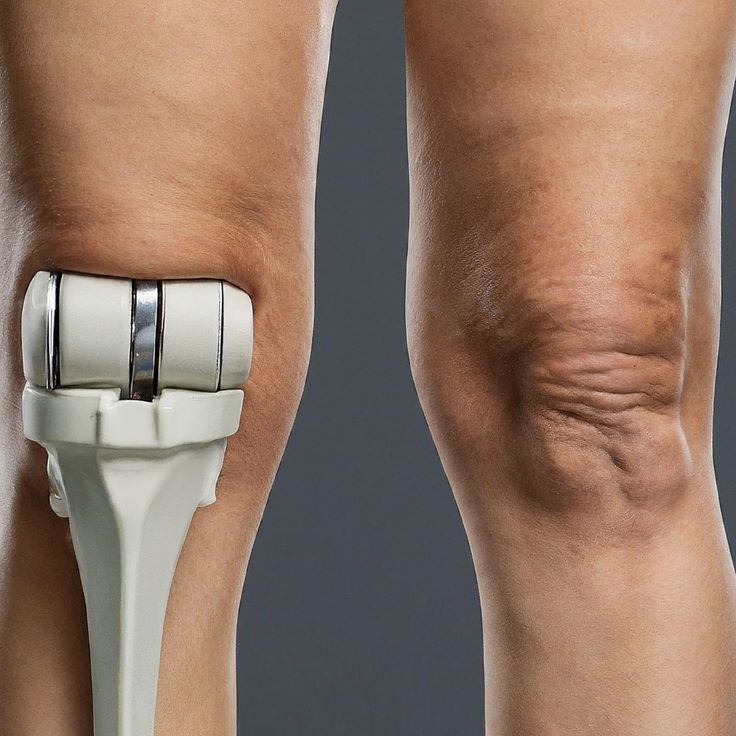
When doctors first mentioned knee replacement surgery to Mahesh, his immediate reaction was fear.
Not because of the diagnosis itself.
But because of everything he had heard from others over the years.
“Recovery takes forever.”
“You won’t be able to walk properly again.”
“The surgery is extremely painful.”
“There can be serious complications.”
“You should avoid surgery as long as possible.”
These thoughts stayed in his mind for months.
Meanwhile, his knee pain continued getting worse. Climbing stairs became exhausting. Standing for long periods felt unbearable. Walking even short distances started affecting his confidence. Slowly, his world became smaller because movement itself had become difficult.
Still, he delayed treatment because fear felt easier than facing surgery.
This emotional struggle is extremely common among people dealing with advanced knee problems.
Many patients are not only worried about the operation itself. They fear losing independence during recovery, depending on family members, facing severe pain after surgery, or experiencing complications that could affect their lifestyle permanently.
Unfortunately, fear and misinformation often cause patients to continue suffering silently for years while joint damage continues progressing.
What many people do not realize is that modern knee replacement surgery has changed tremendously over the last decade.
Today, advanced orthopedic techniques focus heavily on minimizing pain, protecting muscles, improving surgical precision, and helping patients recover faster and more comfortably than older surgical methods.
According to Dr. Saurabh Giri from Helios Orthojoint, one of the biggest misconceptions patients have is believing that every knee pain automatically requires surgery.
In reality, many patients improve successfully through non-surgical treatments like physiotherapy, joint preservation treatment, weight management, regenerative therapy, muscle strengthening exercises, medications, and minimally invasive orthopedic procedures.
The goal is always to preserve the natural joint whenever possible.
However, when advanced arthritis, severe cartilage loss, or long-term joint degeneration begins significantly affecting mobility and quality of life, knee replacement surgery may become the most effective way to restore comfortable movement and independence.
For patients living with constant pain, the emotional burden often becomes just as exhausting as the physical discomfort.
Many people stop traveling because walking becomes difficult. Social outings reduce. Exercise disappears. Sleep quality worsens due to nighttime pain. Confidence slowly drops because even simple activities start feeling physically draining.
This gradual lifestyle limitation affects mental wellbeing far more deeply than most people openly discuss.
Modern robotic knee replacement in Pune is designed not only to reduce pain but also to help patients regain confidence in movement again.
Technologies like the CUVIS Robotic Knee Replacement System now allow surgeons to perform procedures with greater precision and improved joint alignment. Muscle-sparing knee replacement techniques help reduce unnecessary tissue damage while supporting smoother rehabilitation and recovery-focused treatment.
Many patients are surprised to learn how quickly mobilization begins after surgery today.
With modern same-day mobilization protocols and personalized rehabilitation programs, patients are often encouraged to start movement much earlier than they expected. Recovery is carefully guided step by step with physiotherapy and rehabilitation support designed to improve strength, flexibility, and walking confidence gradually.
Of course, every surgery carries some level of risk, and no responsible orthopedic surgeon promises unrealistic outcomes.
But advancements in surgical planning, infection control, anesthesia, robotic assistance, rehabilitation techniques, and patient care have significantly improved the safety and recovery experience associated with joint replacement surgery.
At Helios Orthojoint, treatment decisions are personalized carefully depending on the patient’s age, lifestyle, mobility needs, and stage of joint damage. Some patients benefit from joint preservation procedures, while others may require advanced orthopedic surgery to regain comfortable daily movement.
The focus always remains helping patients return to real-life activities comfortably.
Walking without fear.
Using stairs confidently.
Standing comfortably during work or family functions.
Traveling again.
Sleeping peacefully without constant knee pain.
Returning to an active lifestyle.
One of the biggest emotional moments patients describe after successful knee replacement surgery is realizing how much pain had quietly controlled their life before treatment.
Many say they wish they had not delayed help for so long.
Because sometimes the fear of surgery becomes more limiting than the surgery itself.
And while fear is natural, understanding modern orthopedic care properly often helps patients feel far more reassured, informed, and confident about their recovery journey.
Conclusion
Fear of pain, recovery time, and surgical complications often causes patients to delay knee replacement surgery even when mobility and quality of life continue worsening. Early orthopedic consultation and proper guidance can help patients understand modern treatment options and make informed, confident decisions about their joint health.
Dr. Saurabh Giri
Helios Orthojoint
Pimple Saudagar, Pune
Website : https://www.kneereplacementsurgeonpune.com/
Phone: +91 9156580303
Timing: Monday to Saturday – 10:00 AM to 09:00 PM
Recent Posts
-
 Still Playing Sports with an ACL Tear While Long-Term Knee Damage Continues Increasing with Every Activity.
 -
AVN joint replacement surgery
-
 Why Gym Injuries and Sports Trauma Are Increasing Rapidly Among Young Adults and Fitness Enthusiasts
 -
 Ignoring Advanced Surgical Options While Robotic Knee Replacement Continues Becoming the Future of Joint Care
 -
 Not because the pain was manageable, but because he was afraid of surgery.