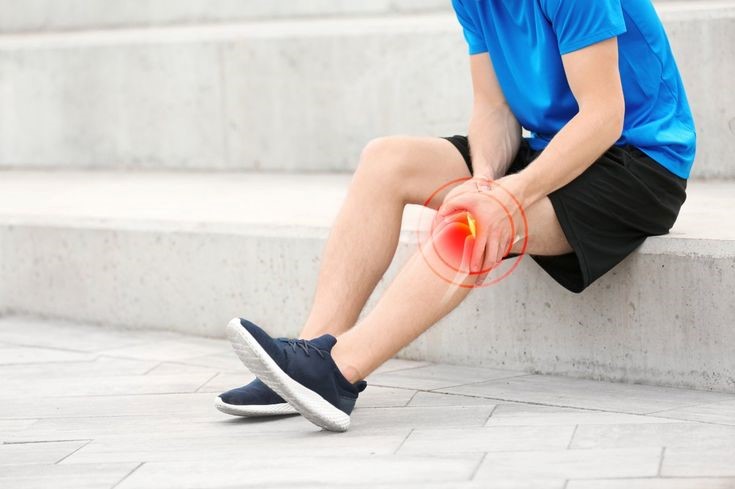
For a long time, Anil believed the discomfort in his knees would eventually go away on its own.
At first, it was only noticeable after long working hours. Then climbing stairs became slower. Sitting through family functions started feeling uncomfortable. Standing in the kitchen for too long caused stiffness. Even getting out of bed every morning began with hesitation.
What disturbed him most was not just the pain itself.
It was how quietly knee pain started controlling his everyday life.
Simple movements that once felt effortless slowly became exhausting. He stopped going for evening walks. Weekend outings became less frequent. He avoided long drives because bending his knees for extended periods felt uncomfortable. Over time, he started depending more on support while standing up or walking longer distances.
This is how chronic knee pain affects many people.
Not suddenly, but gradually.
Most individuals continue adjusting around the pain instead of understanding what is actually happening inside the joint. Unfortunately, delaying treatment often allows the condition to worsen silently over time.
The knee joint carries enormous responsibility every single day. Walking, sitting, climbing stairs, exercising, standing for long hours, and even maintaining balance all depend heavily on healthy knee movement. When the cartilage, ligaments, muscles, or surrounding joint structures become damaged or inflamed, everyday mobility starts becoming difficult.
Initially, symptoms may appear manageable.
A little stiffness after sitting.
Pain while climbing stairs.
Discomfort during walking.
Swelling after activity.
Difficulty sitting cross-legged.
Pain after standing for long periods.
Because these symptoms develop gradually, many people assume they are simply part of aging or temporary fatigue. However, persistent knee pain is often a sign that the joint needs proper orthopedic evaluation before the condition progresses further.
According to Dr. Saurabh Giri from Helios Orthojoint, early diagnosis plays an important role in preserving joint health and maintaining long-term mobility.
Importantly, not every knee problem requires surgery.
Many patients respond extremely well to non-surgical treatment options such as physiotherapy, joint preservation treatment, muscle strengthening exercises, medications, lifestyle correction, regenerative therapy, and minimally invasive orthopedic procedures. Early intervention often helps reduce pain while improving flexibility and joint stability before severe damage occurs.
However, when knee degeneration becomes advanced due to arthritis, cartilage loss, untreated injuries, or long-term wear and tear, daily movement can become significantly restricted.
At this stage, patients often struggle with basic activities like:
Walking comfortably for longer distances.
Standing during work hours.
Using stairs confidently.
Sitting for extended periods.
Getting up from chairs.
Sleeping without throbbing knee discomfort.
This ongoing limitation affects much more than physical health.
Chronic pain slowly impacts emotional wellbeing too.
People become less socially active. Physical fitness decreases. Weight gain increases due to reduced movement. Confidence drops. Many individuals begin avoiding travel, exercise, or social events simply because mobility becomes physically exhausting.
Over time, this creates frustration, isolation, and emotional stress that many patients rarely talk about openly.
Modern orthopedic treatment today focuses not only on reducing pain but also on restoring movement confidence and helping patients regain independence in their everyday lives.
Advanced orthopedic surgery has changed significantly in recent years. Procedures like robotic knee replacement in Pune now allow improved precision, muscle-sparing techniques, and better joint alignment designed to support more natural movement after surgery.
With technologies like the CUVIS Robotic Knee Replacement System, treatment has become increasingly recovery-focused and patient-friendly. Same-day mobilization protocols, minimally invasive techniques, and personalized rehabilitation programs now help many patients return to routine activities faster than they expect.
At Helios Orthojoint, treatment approaches are personalized depending on the patient’s age, activity level, lifestyle needs, and severity of joint damage. Whether someone requires joint preservation treatment, arthroscopy surgery Pune, ACL reconstruction Pune, sports injury rehabilitation, or knee replacement surgery, the primary goal remains restoring comfortable movement and long-term quality of life.
Younger patients are also increasingly facing mobility problems due to sports injuries, obesity, sedentary work culture, and untreated ligament damage. Ignoring instability or recurring knee pain after injuries can eventually place additional pressure on the joint, accelerating cartilage wear much earlier in life.
This is why listening to early symptoms matters.
Pain is often the body’s way of asking for attention before the damage becomes more serious.
One of the biggest emotional moments patients describe after successful orthopedic treatment is surprisingly simple.
Walking comfortably again.
Not thinking twice before standing up.
Climbing stairs without fear.
Traveling without discomfort.
Sitting through family gatherings peacefully.
Returning to morning walks.
Regaining confidence in movement.
These everyday moments carry enormous emotional value once pain no longer controls them.
Conclusion
Persistent knee pain should never be ignored when it starts affecting walking, standing, sitting, or routine daily activities. Early orthopedic care can help identify the cause, protect joint health, and restore comfortable movement before mobility becomes severely limited.
Dr. Saurabh Giri
Helios Orthojoint
Pimple Saudagar, Pune
Website: www.kneereplacementsurgeonpune.com
Phone: +91 9156580303
Timing: Monday to Saturday – 10:00 AM to 09:00 PM
Recent Posts
-
 Still Playing Sports with an ACL Tear While Long-Term Knee Damage Continues Increasing with Every Activity.
 -
AVN joint replacement surgery
-
 Why Gym Injuries and Sports Trauma Are Increasing Rapidly Among Young Adults and Fitness Enthusiasts
 -
 Ignoring Advanced Surgical Options While Robotic Knee Replacement Continues Becoming the Future of Joint Care
 -
 Not because the pain was manageable, but because he was afraid of surgery.