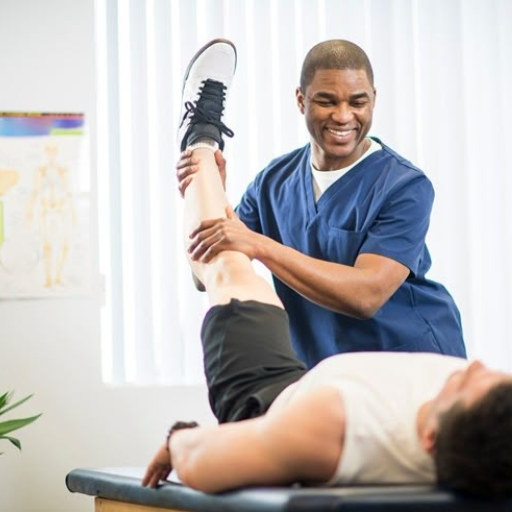
Knee, hip, or shoulder joint replacement offers a powerful way to overcome chronic pain, arthritis, and limited movement, helping patients regain their independence but surgery is only the beginning. The true transformation starts with a systematic and consistent rehabilitation program that restores strength, mobility, and confidence in everyday life.
Why Exercise Matters After Joint Surgery
Following joint surgery, muscles and soft tissues in the area may be weakened and stiffened. Directed exercise is critical not only for reducing pain but also for the recovery of joint mobility, strengthening, and avoidance of complications. Gradual physical activity promotes blood flow, accelerates healing, and stabilizes the new joint by strengthening musculature that supports it.
Early, controlled movement also minimizes the risk of complications such as blood clots, stiffness in joints, or infection. Above all, it enables patients to regain independence in their daily life.
When to Start: Early Steps Toward Healing
In most instances, simple exercises are promoted as soon as the first 24–48 hours following surgery. Early treatment, particularly after minimal invasive surgery, results in superior outcomes. It may also decrease hospital stays and enhance long-term function of the replaced joint. Always adhere to the recommendations of your surgeon and physiotherapist to prevent injury.
Stages of Recovery and Exercise Progression
During the early recovery stage (days 1–14), one begins to introduce exercises such as ankle pumps, toe curls, and leg lifts with assistance. They help minimize swelling, enhance joint flexibility, and lower the risk of blood clots.
By weeks two to six, recovery becomes more active. Patients advance to exercises that restore joint control and muscle strength, including straight leg raises, partial squats, and gradual walking. Correct use of assistive devices such as walkers or canes is essential at this stage.
From six weeks onward, rehabilitation focuses on improving endurance, enhancing balance, and regaining complete joint mobility. Resistance bands, stationary bikes, swimming, and stair training are commonly introduced. Your physiotherapist will adapt these to your lifestyle and long-term plans.
Breathing, Posture & Mental Well-being
Breathing and posture have a subtle but important role in the recovery process Practicing deep breathing boosts oxygen flow in the body, which supports tissue repair and promotes relaxation. Proper posture avoids putting stress on healing joints, particularly when sitting, standing, or walking. Mental toughness is also important—mindfulness and positive thinking can reduce stress and keep you going.
The Role of Supervised Physical Therapy
Regular physiotherapy guarantees that exercises are done properly and safely. An experienced therapist oversees your recovery, modifies the plan when needed, and makes sure that you’re not overdoing it or underdoing it. Skipping therapy or self-managing without guidance can prolong recovery or result in complications.
Intelligent Recovery Tips to Keep You on Track –
Apply ice packs and elevate the joint to help manage and reduce swelling.
Consume a protein-rich, anti-inflammatory diet to support healing
Rest well, but don’t stay in bed too long
Adhere to a daily exercise routine that your physiotherapist has prescribed
Celebrate small successes—such as walking on your own or climbing stairs
Recovery isn’t always a straight line—some days will be tougher than others, but hang in there.
Summary
Recovery after knee replacement surgery takes time, and the first three months are especially crucial for long-term success. With the right balance of movement, physical therapy, and rest, most patients experience significant pain relief and regain independence during this period. Everyone heals at their own pace, but consistency is key—sticking to your recovery plan is what truly gets you back on your feet, both physically and emotionally.
If you’re still facing pain, instability, or limited mobility after surgery, expert care can make all the difference. Dr. Saurabh Giri, a leading orthopedic surgeon at Helios Orthojoint in Pune, specializes in advanced and revision knee replacement procedures tailored to your needs.
Start your recovery journey today—schedule a consultation and take confident steps toward a pain-free, active lifestyle.
Recent Posts
-
 Still Playing Sports with an ACL Tear While Long-Term Knee Damage Continues Increasing with Every Activity.
 -
AVN joint replacement surgery
-
 Why Gym Injuries and Sports Trauma Are Increasing Rapidly Among Young Adults and Fitness Enthusiasts
 -
 Ignoring Advanced Surgical Options While Robotic Knee Replacement Continues Becoming the Future of Joint Care
 -
 Not because the pain was manageable, but because he was afraid of surgery.