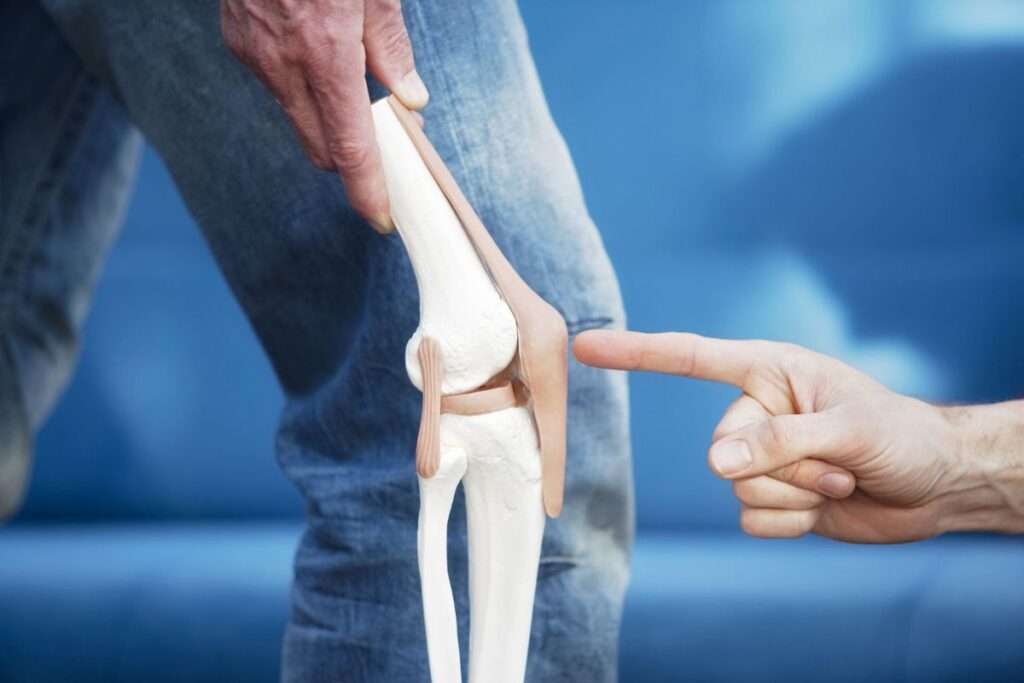
Going to an orthopedic surgeon for the first time can be intimidating — particularly if you’re suffering from joint pain, mobility problems, or an injury that is impacting your life. You might dread what the doctor has to say, whether surgery is unavoidable, or just how bad your condition actually is.
The silver lining? Your initial orthopedic appointment is all about diagnosis, clarity, and crafting a customized plan for your recovery — not automatically rushing to surgery.
If you’re organizing your initial visit to Dr. Saurabh Giri, a top Orthopaedic and Joint Replacement Surgeon in Pune, here’s what happens from beginning to end.
Step 1: A Detailed Examination of Your Medical History
Your visit will start with a thorough discussion of your history of health. This is:
Prior injuries or operations
Current symptoms (pain, stiffness, swelling, instability, weakness)
When the symptoms began and what aggravates or alleviates them
Medications, supplements, or therapies currently being used
Your activity level and lifestyle
Your history provides context and clues for the orthopedic surgeon to diagnose the underlying cause of the issue.
Tip: Bring past medical records, imaging (X-rays, MRIs, CT scans), and a list of medications to make your consultation more productive.
Step 2: Physical Examination
Then, the surgeon will conduct a focused physical exam. This is aimed at your particular complaint — whether it’s knee pain, hip stiffness, a shoulder injury, or spine-related symptoms.
During the exam, the doctor will evaluate:
Range of motion
Strength and muscle tone
Joint stability
Tenderness or swelling
Gait (the way you walk) and posture
This physical examination identifies mechanical problems, signs of inflammation, or degenerative joints not evident on scans alone.
Step 3: Reading or Suggesting Diagnostic Tests
If imaging (like an MRI, X-ray, or CT scan) has already been done, the surgeon will go over them and interpret what they indicate. If not, additional tests might be suggested to finalize the diagnosis.
Common diagnostic tests are:
X-rays (to examine bone position, arthritis, fracture)
MRI scans (for soft tissue problems such as ligament tears, cartilage damage, or AVN)
Ultrasound (for joint effusions, tendonitis)
Blood tests (if an infection or autoimmune disease is considered)
All of these assist your doctor in making an informed, evidence-based decision on your treatment.
Step 4: Diagnosis and Discussion
Once the exam and investigations are complete, the orthopedic surgeon will explain your condition in simple, clear terms. You’ll learn:
What exactly is causing your symptoms
Whether your condition is acute (injury-based) or chronic (degenerative)
If surgery is needed or if non-surgical options can help
Short- and long-term implications if left untreated
Understanding your diagnosis is crucial to making informed decisions about your care.
Step 5: Personalized Treatment Planning
Each patient is unique, and treatment plans are always individualized to your:
Diagnosis
Age and activity level
Occupation and lifestyle
Personal goals
Your treatment can consist of:
Physiotherapy and rehabilitation
Medications (anti-inflammatories, supplements)
Injections (steroid, PRP, hyaluronic acid)
Minimally invasive surgery (arthroscopy, robotic joint replacement)
Lifestyle changes (weight reduction, joint protection strategies)
Dr. Giri favors non-surgical treatment whenever possible, reserving surgery only when absolutely necessary.
Step 6: Q&A and Next Steps
Before you go, you’ll get to ask any questions you may have about:
Your condition and prognosis
Recovery timeline
Advantages and risks of different treatment options
Outcomes that you can expect
You’ll be sent away with a clear plan of action — whether that’s physiotherapy, follow-up testing, or booking in for a procedure if necessary.
What to Bring to Your First Orthopedic Visit:
Government-issued ID and insurance information
All previous X-rays, MRI/CT scans, and lab reports
List of current medications
Comfortable dress code (so your joint can be easily inspected)
A notebook or mobile phone to jot down notes
Conclusion
Your initial orthopedic visit is not something to dread — it’s your beginning towards healing, mobility, and improved quality of life. At our clinic in Pune, Dr. Saurabh Giri, an experienced Orthopaedic Surgeon and Joint Replacement Specialist, is dedicated to proper diagnosis, compassionate care, and cutting-edge treatment alternatives suited specifically to your requirements. Whether you’re dealing with chronic joint pain, injury, or movement limitations, Dr. Giri and his team ensure you receive expert care rooted in the latest advancements in orthopedics.
Recent Posts
-
 Ignoring Advanced Surgical Options While Robotic Knee Replacement Continues Becoming the Future of Joint Care
 -
 Not because the pain was manageable, but because he was afraid of surgery.
 -
 Still Worried About Long Recovery Periods and Limited Mobility After Knee Replacement Surgery
 -
 Why Traditional Knee Surgery Is Gradually Losing Preference in the Era of Robotic Orthopedic Procedures
 -
 Afraid of Knee Replacement Surgery Due to Fear of Pain, Recovery Time, and Surgical Complications