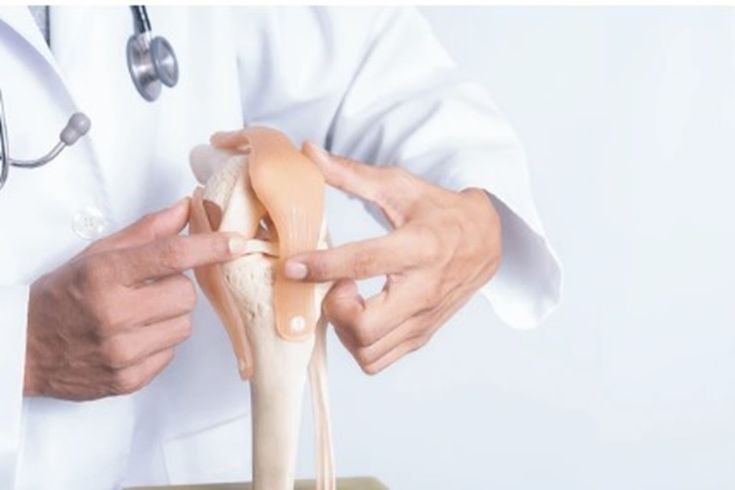
Knee pain is one of the most common complaints among adults, especially as we age or lead active, physically demanding lifestyles. While many immediately associate persistent knee pain with the need for surgery, the reality is more nuanced. In many cases, non-surgical treatments may effectively manage symptoms and delay or even avoid the need for surgery altogether. So how do you know whether you truly need knee surgery or if there’s another option?
This blog will explore both non-surgical and surgical treatments for knee pain and help you understand which option might be right for you.
Common Causes of Knee Pain
Knee pain can stem from a wide range of conditions:
- Osteoarthritis – the most common cause, due to wear and tear of cartilage.
- Ligament injuries – such as ACL or MCL tears, often sports-related.
- Meniscus tears – caused by twisting injuries or degeneration.
- Tendinitis or bursitis – inflammation in soft tissues around the knee.
- Rheumatoid arthritis – an autoimmune condition affecting joints.
Understanding the root cause of your pain is the first and most crucial step in determining treatment.
Non-Surgical Solutions for Knee Pain
Many patients experience significant relief through conservative treatments, especially in the early stages of joint degeneration or injury.
1. Physical Therapy
A targeted physical therapy program strengthens surrounding muscles, improves flexibility, and supports the knee joint to reduce pain and improve function.
2. Medications
Over-the-counter pain relievers (NSAIDs) or prescribed medications can help reduce inflammation and ease pain.
3. Injections
- Corticosteroids: Powerful anti-inflammatory injections that offer temporary relief.
- Hyaluronic acid: Lubricates the knee joint, especially useful in osteoarthritis.
- PRP (Platelet-Rich Plasma) or stem cell therapy: Regenerative options that promote healing from within.
4. Weight Management
Reducing body weight reduces stress on the knee joint, often leading to significant pain reduction.
5. Bracing and Orthotics
Using supportive devices can help offload pressure from the knee and assist with alignment during movement.
6. Lifestyle Modifications
Avoiding high-impact activities, switching to low-impact exercises like swimming or cycling, and practicing joint-friendly routines can prevent worsening of symptoms.
Non-surgical treatments are often tried first, especially when pain is mild to moderate, and imaging doesn’t show severe damage.
When Is Knee Surgery Necessary?
Surgery may become necessary when:
- Non-surgical treatments fail to provide adequate relief.
- Imaging (like X-rays or MRIs) shows severe cartilage loss or joint damage.
- Pain is chronic, persistent, or worsening, affecting quality of life.
- There is mechanical dysfunction, such as instability, locking, or loss of motion.
- The patient wants to regain mobility and independence not possible with conservative methods.
Types of Knee Surgeries
- Arthroscopy – Minimally invasive procedure to clean up cartilage, repair meniscus, or remove loose fragments.
- ACL Reconstruction – Replaces torn anterior cruciate ligament using grafts.
- Partial Knee Replacement – Replaces only the damaged compartment of the knee.
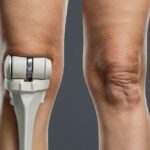
- Total Knee Replacement – Ideal for patients with widespread arthritis and joint degeneration.
- Revision Surgery – For those who had previous knee surgeries that have failed.
Thanks to advancements like robotic-assisted surgery and muscle-sparing techniques, today’s knee surgeries offer quicker recovery and better long-term outcomes.
Conclusion:
While knee surgery can be life-changing for those with advanced damage or unmanageable pain, it’s not always the first or only solution. For many, non-surgical treatments can delay or prevent the need for surgery while maintaining a good quality of life.
Dr. Saurabh Giri is a leading Joint Replacement and Arthroscopy Specialist based in Pune, known for his expertise in knee, hip, and sports injury surgeries. With a patient-first approach and a commitment to using the latest surgical techniques, he ensures every individual receives the best possible care tailored to their lifestyle and goals. Whether you’re considering conservative therapy or advanced joint replacement, Dr. Giri offers comprehensive orthopedic solutions under one roof.
Recent Posts
-
 Ignoring Advanced Surgical Options While Robotic Knee Replacement Continues Becoming the Future of Joint Care
 -
 Not because the pain was manageable, but because he was afraid of surgery.
 -
 Still Worried About Long Recovery Periods and Limited Mobility After Knee Replacement Surgery
 -
 Why Traditional Knee Surgery Is Gradually Losing Preference in the Era of Robotic Orthopedic Procedures
 -
 Afraid of Knee Replacement Surgery Due to Fear of Pain, Recovery Time, and Surgical Complications