
Having knee replacement surgery is a big achievement for anyone living with chronic knee pain or arthritis. But it doesn’t end in the OR — recovery is where the magic happens. The first three months following knee replacement are critical for healing, getting mobility back, and setting oneself up for long-term success. This site provides an in-depth overview of what patients should anticipate during this recovery period, including pain management, physical therapy, and lifestyle changes.
Week 1–2: The Critical First Steps –
Immediately after surgery, most patients stay in the hospital for 1–3 days, depending on their overall health and the surgical outcome. You’ll begin moving the knee within 24 hours of surgery, often with the help of a physiotherapist. Pain and swelling are common during this stage, but they can be controlled with medications and proper rest.
You’ll be given basic exercises to improve blood circulation and prevent complications like blood clots. It’s important to follow these instructions closely and use a walker or crutches as directed.
Week 3–4: Gaining Strength and Range of Motion
As you enter the third and fourth week, your attention will turn to restoring mobility. Pain will start to subside, and you’ll taper off from potent painkillers. Physical therapy intensifies during this time, focusing on the quadriceps, hamstrings, and knee range of motion.
At this point, most patients want to bend the knee to 90 degrees at least and straighten it completely. Swelling can still occur, but elevation, ice packs, and compression can be of assistance. It’s also important to begin walking more often, though still with assistance.
Month 2: Increasing Activity and Reducing Support
By the second month, most patients notice an improvement. You might no longer require a walker and could move to a cane or walk by yourself. Simple activities such as walking up stairs, bathing, or brief walks become manageable, though exhaustion still comes quickly.
Physical therapy will concentrate now on strength and balance improvement. Gentle functional training — standing and sitting from a chair unaided, for example — will also start to build your confidence in the new joint.
Month 3: Back to Daily Routines
The third month is a critical turning point. Most patients resume light work, driving, or social functions. At this point, you should be able to bend the knee 110–120 degrees and walk increasing distances with no difficulty. Pain is minimal, although occasional stiffness after rest is to be expected.
Exercises will continue to be modified to enhance endurance and avoid future joint problems. Your orthopedic surgeon will also take follow-up X-rays to make sure everything is healing properly.
Tips for a Smooth Recovery
•Stick to Your Physiotherapy Plan: Skipping exercises can delay healing and limit motion.
• Eat a Balanced Diet: Nutrients such as protein, calcium, and vitamin D support tissue repair and bone health.
•Stay Hydrated: Dehydration can slow down healing and leave you feeling more tired.
• Listen to Your Body: Don’t push yourself too hard — rest is as vital as exercise.
Summary
Knee replacement recovery takes time, and the initial three months are critical to achieving long-term success. By combining appropriate movement, therapy, and rest, the majority of patients gain independence and are able to reduce pain drastically in this time. People all heal at their own rate, but the secret to being on your feet — both literally and metaphorically — again is being persistent about sticking with your plan for recovery.
If you’re dealing with pain, instability, or reduced mobility after a knee replacement, expert care is essential. Dr. Saurabh Giri, leading orthopedic surgeon at Helios Orthojoint, Pune, specializes in advanced knee replacement and revision procedures.
Schedule your consultation today and take the first step toward a pain-free, active life with trusted care in Pune.
Recent Posts
-
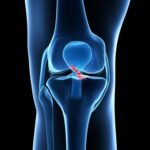 Still Playing Sports with an ACL Tear While Long-Term Knee Damage Continues Increasing with Every Activity.
 -
AVN joint replacement surgery
-
 Why Gym Injuries and Sports Trauma Are Increasing Rapidly Among Young Adults and Fitness Enthusiasts
 -
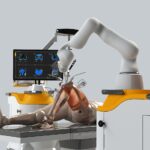 Ignoring Advanced Surgical Options While Robotic Knee Replacement Continues Becoming the Future of Joint Care
 -
 Not because the pain was manageable, but because he was afraid of surgery.