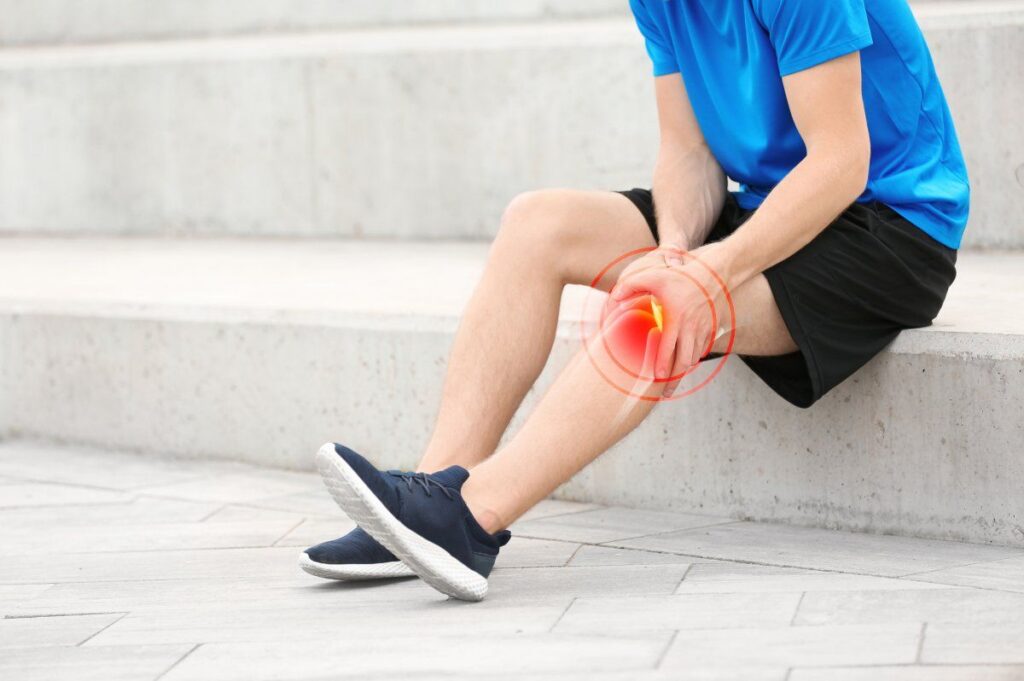
Knee pain is a complaint shared by the young, the not-so-young and the old, but if it becomes noticeably worse on stairs, it might be indicating more than mere muscle strain. In fact, stair climbing difficulty or pain is frequently one of the first signs of joint wear and tear or internal structural problems within the knee.
Let’s learn why this apparently minor symptom can’t be ignored—and what it might imply for your long-term joint health.
Why Stairs Make Your Knee Hurt
Stair climbing demands much more effort from the knee than does flat walking. The knee joint takes on 3 to 4 times body weight load when going up or down stairs versus flat walking, as reported in Clinical Biomechanics. This added load puts stress on your cartilage, ligaments, tendons, and bones.
Pain in this particular case may indicate that your knee is not managing stress well, usually because of:
Degenerative joint changes
Weakened or unbalanced muscles in the region around the knee
Disalignment of kneecap or joint surface
Stair-Specific Knee Pain Common Medical Conditions
1. Osteoarthritis (OA)
Osteoarthritis is the leading cause of knee pain past age 40. It results from cartilage in the knee joint wearing away slowly, allowing bones to rub against each other. Climbing stairs makes it hurt more because thinned-out cartilage cannot cushion the added force well.
Symptoms include:
Pain when descending stairs (in early stages)
Morning stiffness for over 30 minutes
Crepitus (cracking noises on movement)
Source: Arthritis Foundation, American Academy of Orthopaedic Surgeons (AAOS)
2. Patellofemoral Pain Syndrome (PFPS)
Commonly known as “runner’s knee,” PFPS is pain from between the kneecap (patella) and thigh bone (femur). Most commonly it bothers younger adults or sports participants, but it can bother anyone who has improper kneecap tracking or muscle imbalance.
Symptoms are:
Dull, aching pain near the kneecap
Pain in stair use, squatting, or sitting for long periods of time
Clicking or grinding sensations
Source: American College of Sports Medicine (ACSM)
3. Meniscus Injury
Meniscus is a C-shaped cartilage that supports and stabilizes the knee. Pain resulting from a meniscus tear, particularly in the inner (medial) compartment, aggravates with stair climbing or twisting movements.
Common symptoms:
Swelling and stiffness
Locking or catching of the knee
Pain when ascending stairs or squatting
Source: Mayo Clinic, Johns Hopkins Medicine
4. Quadriceps or Hamstring Weakness
Muscle weakness—particularly in the quadriceps—may transfer pressure unevenly across the knee joint. This can overstrain the patellofemoral joint and lead to pain on stairs, specifically descending.
Source: Journal of Orthopaedic & Sports Physical Therapy
When to See a Specialist
If your knee pain on stair use:
Doesn’t go away after 2 weeks
Interferes with daily activities
Occurs with swelling or instability
Is accompanied by locking or stiffness
Treatment By Cause
Treatment varies according to the underlying cause and severity. The following are typical strategies:
Conservative (Non-surgical)
Physical therapy: Quadriceps, hamstring, and glute strengthening
Weight control: Decreasing knee load
Bracing or taping: Enhances PFPS alignment
Pain relief: NSAIDs, cold, or corticosteroid injections
All supported by AAOS and NICE (UK National Institute for Health and Care Excellence) guidelines
Surgical (When Appropriate)
Arthroscopy: For debridement or meniscus repair
Osteotomy: In younger patients with OA for realignment
Partial or Total Knee Replacement: In advanced arthritis or joint degeneration
Conclusion
Pain in the knee when ascending stairs may appear minor, yet it usually indicates initial structural alterations or knee imbalances. Osteoarthritis, runner’s knee, and tears of the meniscus usually occur with stair-limited pain before symptoms develop during walking or rest.
Early diagnosis and proper treatment can delay disease progression, decrease pain, and postpone surgery. If you have ongoing or worsening knee pain, don’t neglect it—get it checked out by a knee specialist.
If you’re experiencing persistent knee pain while using stairs, seeking expert care can make a real difference. Dr. Saurabh Giri, a renowned orthopedic and knee replacement surgeon at Helios Orthojoint, Pune, specializes in diagnosing and treating knee conditions like osteoarthritis, meniscus injuries, and patellofemoral pain syndrome. With advanced techniques including robotic and revision knee replacement, Dr. Giri offers personalized solutions to help you regain mobility and live pain-free. Don’t wait—book your consultation today and take the first step toward healthier knees.
Recent Posts
-
 Ignoring Advanced Surgical Options While Robotic Knee Replacement Continues Becoming the Future of Joint Care
 -
 Not because the pain was manageable, but because he was afraid of surgery.
 -
 Still Worried About Long Recovery Periods and Limited Mobility After Knee Replacement Surgery
 -
 Why Traditional Knee Surgery Is Gradually Losing Preference in the Era of Robotic Orthopedic Procedures
 -
 Afraid of Knee Replacement Surgery Due to Fear of Pain, Recovery Time, and Surgical Complications