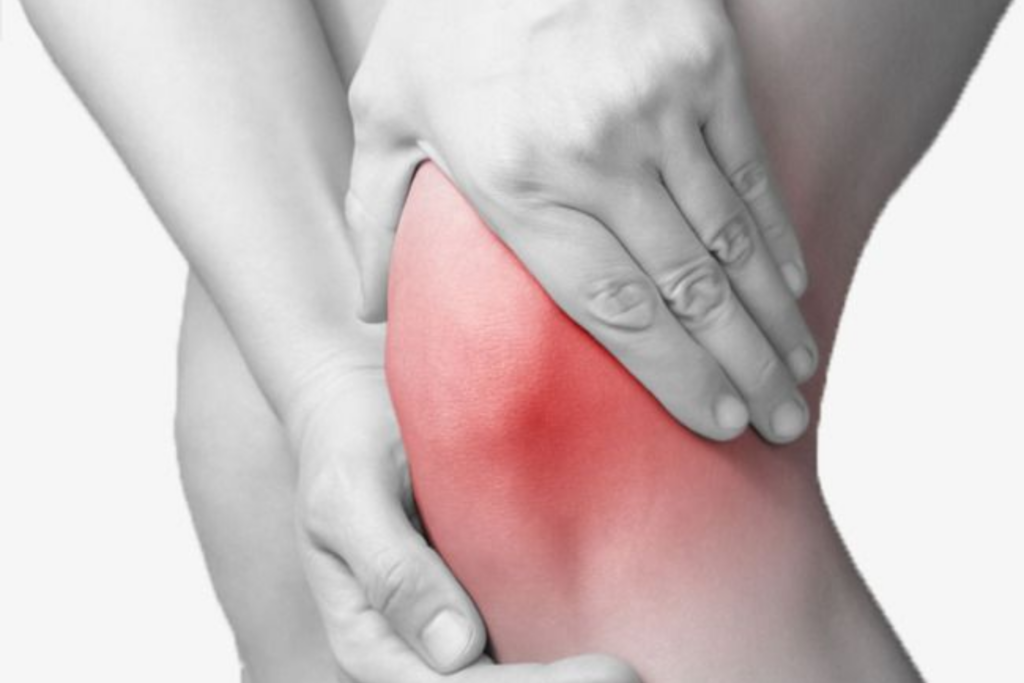
Knee arthritis is a widespread condition that impacts millions of individuals across the globe, resulting in chronic pain, stiffness, and limited mobility. Though many believe it’s a natural consequence of aging, the truth is that knee arthritis is frequently avoidable—or at least its occurrence and severity can be postponed through proper lifestyle adjustments.
Whether you’re in your 30s or nearing retirement, it’s never too early—or too late—to take proactive steps to protect your knees. In this blog, we’ll explore smart, science-backed ways to prevent knee arthritis before it begins.
- What Is Knee Arthritis?
Knee arthritis refers to the gradual breakdown and inflammation of cartilage within the knee joint, leading to pain, stiffness, and reduced mobility process where the cartilage gradually deteriorates, resulting in bones grinding against each other. It can cause discomfort, swelling, and stiffness, making it harder to move your knee normally.
Risk factors for knee arthritis include: - Age (above 45)
- Genetics
- History of previous joint injury
- Obesity
- Inactive lifestyle
- Poor posture or body mechanics
The silver lining? Most of these can be altered through deliberate lifestyle modifications.
1. Have a Healthy Weight
Excess weight places enormous stress on your knees. Indeed, for each 1 kg of body weight, your knees bear 3 to 4 kg of pressure when walking. With time, this excess stress speeds up cartilage degradation.
Tip: Even losing 5–10% of your body weight can significantly lower your risk of getting arthritis and slow its progression.
2. GetMoving — But Select the Right Exercises
Exercise doesn’t wear out your joints—it protects them. Regular exercise makes the muscles around your knees stronger, increases flexibility, and keeps joints lubricated.
Best Exercises for Knee Health:
- Low-impact cardio—like walking, cycling, or swimming—keeps your joints moving without added stress Strength training (particularly quads and hamstrings)
- Stretching and yoga for flexibility
- Balance exercises to avoid falls and injury
Avoid: Repetitive high-impact activities (such as running on hard surfaces) if you’re at increased risk.
3. Protect Your Joints from Injury
Previous knee injuries greatly raise your risk of developing arthritis later. Ligament sprains (such as ACL) and meniscus injuries tend to cause premature cartilage wear.
Preventive Tips: - Warm up before exercise
- Use correct form when exercising
- Wear supportive shoes
Avoid sudden changes and high-risk sports without conditioning
If you suffer a knee injury, don’t ignore it—get it properly treated and stick with rehab.
4. PayAttentionto Joint-Friendly Nutrition
What you eat has a bearing on joint health. An anti-inflammatory, balanced diet can decrease your chances of arthritis and help with long-term knee function.
Nutrients That Help Support Joint Health: - Omega-3 fatty acids, found in sources like fish and flaxseeds, are known to reduce inflammation and support joint health.
- Vitamin D & Calcium for bone strength
- Antioxidants (in berries, green leafy vegetables) to combat oxidative stress
- Collagen and protein to aid cartilage repair
Avoid: Processed foods, excess sugar, and trans fats, which fuel inflammation.
5. Listen to Your Knees
Your body signals when something is amiss. Chronic pain, swelling, clicking, or decreased range of motion may be early indicators of joint degeneration.
Tip: Don’t push through pain. Adapt activities and see an orthopedic specialist to evaluate joint health before damage sets in.
6. Use Joint Supplements Judiciously
Although not a replacement for lifestyle modifications, some supplements can aid in joint health: - Glucosamine and Chondroitin
- Turmeric (Curcumin)
- Fish Oil
- Collagen peptides
Consult your physician before starting any supplements, especially if you have existing health conditions
7. Posture and Ergonomics AreImportant
How you sit, stand, and move daily can either protect or harm your knees. Improper joint alignment distributes pressure unevenly across the knee, accelerating cartilage wear and tear.
Tips: - Prolonged sitting with crossed legs can negatively affect joint alignment and should be avoided.
- Use ergonomic chairs and proper desk setup
- When lifting objects, use proper body mechanics by bending at the hips and knees, not the lower back.
8. Regular Checkups with an Orthopaedic Specialist
Early detection is the name of the game. Regular orthopedic consultations can spot early joint wear and give you customized prevention measures.
Helios Orthojoint in Pune is where Dr. Saurabh Giri and his team offer preventive orthopedic management, comprising joint evaluations, lifestyle guidance, and non-surgical treatment protocols to safeguard your knees for years to come.
Summary
Knee arthritis prevention isn’t about making radical changes to your lifestyle—it’s just about taking regular, joint-aware living. Staying at a healthy weight, being physically active, keeping your knees from getting hurt, and feeding your body are all ways that you can take care of your long-term joint health. All these little, aware habits can keep you mobile, in charge, and ache-free for years to come.
If you’re starting to see initial signs of knee pain or are worried about your joint wellbeing, don’t let it reach the point where it becomes debilitating. Book a consultation with Dr. Saurabh Giri, acclaimed orthopedic and joint replacement specialist at Helios Orthojoint, Pune. With cutting-edge diagnostic equipment, customized prevention regimens, and a focus on comprehensive orthopedic care, Dr .Giri empowers patients to take proactive steps toward enduring knee health and sustained mobility.
Recent Posts
-
 Still Playing Sports with an ACL Tear While Long-Term Knee Damage Continues Increasing with Every Activity.
 -
AVN joint replacement surgery
-
 Why Gym Injuries and Sports Trauma Are Increasing Rapidly Among Young Adults and Fitness Enthusiasts
 -
 Ignoring Advanced Surgical Options While Robotic Knee Replacement Continues Becoming the Future of Joint Care
 -
 Not because the pain was manageable, but because he was afraid of surgery.