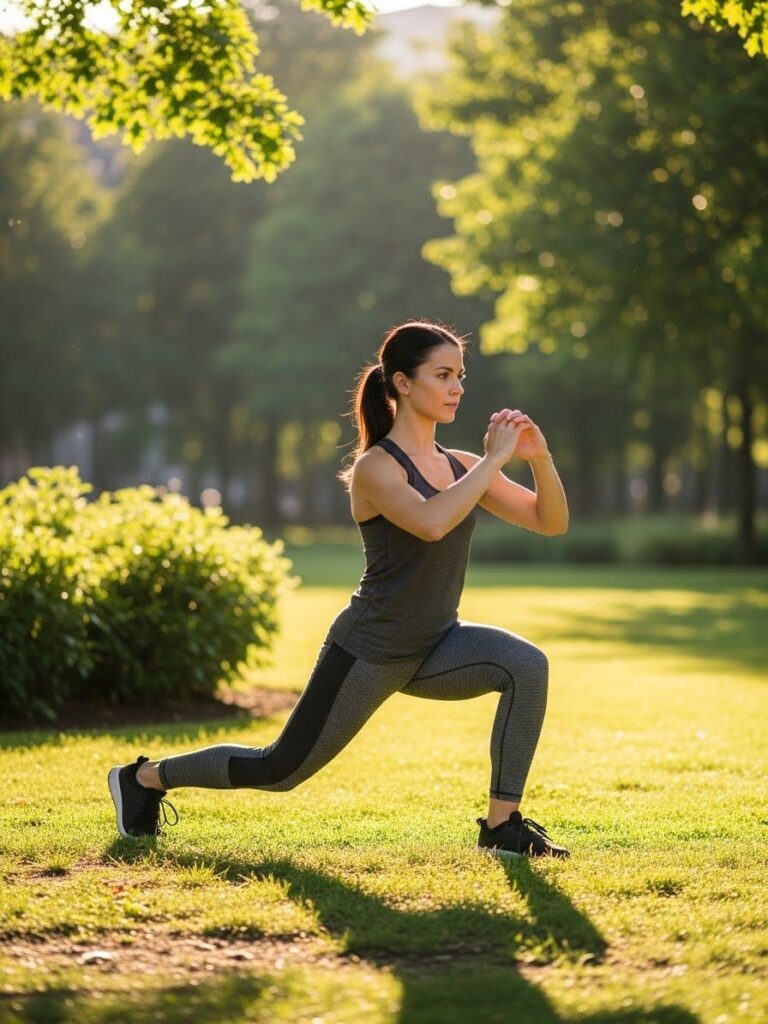
We’ve all experienced it—that first creak when getting out of bed or the stiffness after sitting through a long movie. It’s easy to think our joints have a best before date, but the truth is that staying active is one of the best ways to maintain joint health. In orthopedics, we often say, motion is lotion—the more you move, the healthier your joints remain.
Dr. Saurabh Giri, a leading Knee and Hip Pain Treatment specialist and Robotic Knee Replacement Surgeon in Pune, frequently tells his patients at Helios Orthojoint:
The stronger the muscles around your joints, the less stress your joints have to endure.
Incorporating low-impact exercises into your daily routine can help strengthen your muscles, protect cartilage, reduce inflammation, and even delay the need for surgery.
Why Exercise Matters for Joint Longevity
Your knees and hips support your body every time you walk, climb stairs, or stand. When the surrounding muscles—the quadriceps, hamstrings, and glutes—are weak, joints take on more stress, which can lead to friction, discomfort, and long-term wear.
Regular, targeted exercise provides three key benefits:
- Lubricates Your Joints: Movement helps circulate synovial fluid, the natural lubricant inside your joints, keeping cartilage nourished.
- Stabilizes the Joint: Strong muscles act like natural braces, keeping knees and hips aligned and reducing stress.
- Reduces Inflammation: Exercise helps lower inflammatory markers that contribute to joint pain.
Knee Strengthening Exercises
Focusing on the quadriceps and hamstrings helps relieve pressure on your knees.
- Straight Leg Raises
- Lie on your back with one knee bent and the other leg straight.
- Lift the straight leg to the height of the bent knee, hold for 3 seconds, then slowly lower.
- Benefit: Strengthens the quadriceps without stressing the knee.
- Terminal Knee Extensions (TKE)
- Anchor a resistance band behind your knee to a stable surface.
- Start with a slight bend, then straighten your knee against the band.
- Benefit: Strengthens the Vastus Medialis (teardrop muscle), supporting kneecap stability.
- Wall Slides (Mini-Squats)
- Stand with your back against a wall, feet hip-width apart.
- Slide down until knees reach a 45-degree angle, hold 5 seconds, then slide back up.
- Benefit: Builds functional strength for sitting, standing, and daily movements.
Hip Mobility and Strength Exercises
Healthy hips require both strength and flexibility. Tight hips often contribute to knee pain, as knees compensate for limited hip movement.
- Clamshells
- Lie on your side with knees bent and feet together.
- Lift the top knee while keeping your pelvis stable, then lower slowly.
- Benefit: Strengthens the Gluteus Medius, improving hip stability and balance.
- Glute Bridges
- Lie on your back with knees bent and feet flat.
- Squeeze your glutes and lift your hips until your body forms a straight line from shoulders to knees.
- Benefit: Strengthens the posterior chain, reducing stress on the front of the hip.
- Standing Hip Abductions
- Stand tall, holding a chair for support.
- Lift your leg to the side without leaning your torso, then lower slowly.
- Benefit: Enhances lateral stability, helping prevent falls.
Low-Impact Cardio for Joint Health
High-impact exercises like running may aggravate joint pain. Try these joint-friendly options:
- Cycling (stationary or outdoor): Strengthens knees without impact.
- Swimming or water aerobics: Water supports your body weight, making movement easier.
- Tai Chi: Promotes balance and controlled joint movement.
Aim for 20–30 minutes, 3–5 times per week to maintain flexibility and overall joint health.
When Exercise Alone Isn’t Enough
For those with advanced osteoarthritis, exercise may only offer temporary relief. In such cases, robotic-assisted knee replacement can provide precise, lasting results.
Benefits include:
- Precision Alignment: Ensures the implant fits your anatomy perfectly.
- Bone Preservation: Only damaged areas are replaced, keeping healthy bone intact.
- Faster Recovery: Less invasive surgery allows quicker return to daily activities and exercises.
Dr. Saurabh Giri’s Tips for Safe Exercise
- Warm Up First: Walk for 5 minutes or use a heating pad before exercising.
- Listen to Your Body: Avoid movements that cause sharp pain.
- Consistency Matters: Short, daily sessions are more effective than long, infrequent workouts.
Take Charge of Your Joint Health
Maintaining knee and hip health isn’t just about avoiding surgery—it’s about preserving your independence and quality of life. Targeted exercises combined with expert guidance can keep you active and pain-free for years to come.
If you are experiencing stiffness or looking for professional knee and hip pain treatment in Pune, contact Dr. Saurabh Giri and the Helios Orthojoint team.
Expert Care at Your Fingertips
Dr. Saurabh Giri | Helios Orthojoint
Specialist in Robotic Knee Replacement & Joint Preservation
www.kneereplacementsurgeonpune.com
Recent Posts
-
 Still Playing Sports with an ACL Tear While Long-Term Knee Damage Continues Increasing with Every Activity.
 -
AVN joint replacement surgery
-
 Why Gym Injuries and Sports Trauma Are Increasing Rapidly Among Young Adults and Fitness Enthusiasts
 -
 Ignoring Advanced Surgical Options While Robotic Knee Replacement Continues Becoming the Future of Joint Care
 -
 Not because the pain was manageable, but because he was afraid of surgery.