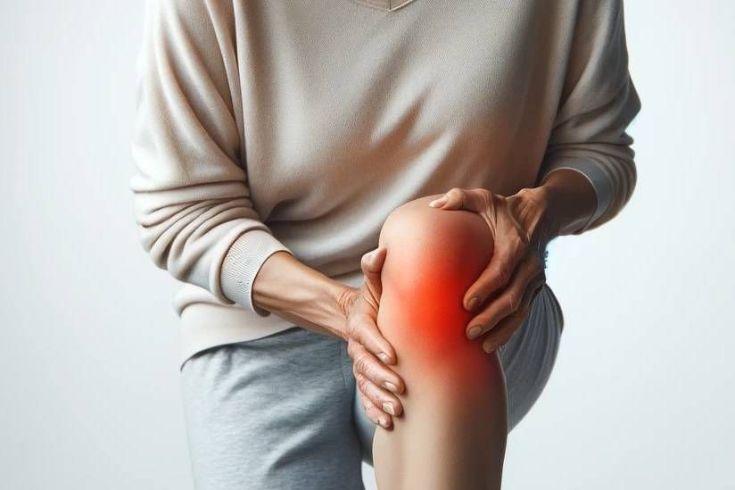
Have you ever stood up from a chair only to hear a resounding crack in your knee? Or experienced your knees hurting after walking short distances? Perhaps they “lock” in position or give out when going up stairs? These are more than a little nuisance — they’re your joints attempting to communicate something significant.
Knee pain and irregular joint movements can be early signs of wear, injury, or underlying orthopedic conditions. Whether you’re in your 30s or 60s, these symptoms should not be ignored. At our orthopedic clinic in Pune, Dr. Saurabh Giri, a trusted Orthopaedic Surgeon and Joint Replacement Specialist, helps patients decode these warning signs and find the right path to relief and recovery.
Why Do Knees Crack, Ache, or Lock?
Knees are weight-bearing, complex joints composed of bones, cartilage, ligaments, tendons, and fluid-filled sacs. When something is amiss with any of these structures, symptoms start to develop.
Let’s unpack what each symptom could be a sign of:
1. Knee Cracking (Crepitus)
Knee cracking or popping — or medically termed crepitus — is usually brought about by:
Air bubbles in the fluid within a joint, which burst when the knee flexes (harmless in the majority of instances)
Rough cartilage surfaces, as in early osteoarthritis or wear to cartilage
Movement of tendon or ligament over bony surfaces, particularly in active individuals
Worrisome when: If the cracking is coupled with pain, swelling, or instability, it might indicate damage to cartilage or degeneration of the joint.
2. Knee Pain and Chronic Pain
Mild or sharp knee pain has numerous possible causes:
Osteoarthritis: Most prevalent in older adults; results from cartilage deterioration
Patellofemoral Pain Syndrome: Pain in the front of the knee due to out-of-place kneecap
Tendonitis or Bursitis: Inflammation caused by overuse or trauma
Meniscus Tear: Trauma to the cartilage that cushions the knee from twisting, squatting, etc.
Rheumatoid Arthritis or AVN: More serious and rarer inflammatory or vascular disorders
Pain that increases with use or persists at rest must be investigated urgently.
3. Knee Locking or Catching
This symptom most likely reflects a mechanical blockage within the knee, and it most often results from:
Meniscus Tear: Cartilage that becomes pinched in the joint
Loose Bodies: Chunks of bone or cartilage loose within the joint
Advanced Arthritis: Worn-out bone surfaces leading to “catches” as you move
A locking knee, particularly one that is also swollen or has a loss of motion, needs to be evaluated by an orthopedic specialist.
Warning Signs You Shouldn’t Ignore
If you notice any of the following, it’s time to visit an orthopedic surgeon:
Persistent pain for over 2–3 weeks
Swelling that does not resolve with rest or ice
Decreased range of motion or pain with bending the knee
Instability, giving way, or locking
A snapping sound followed by swelling and pain (usually a ligament sprain)
What’s Causing It? Diagnosis Matters
Our clinic’s Dr. Saurabh Giri starts with a detailed consultation, including:
Medical history and symptom evaluation
Physical examination of the joint
Imaging studies (X-ray, MRI, or ultrasound based on the problem)
Knowing the cause of your symptoms is the initial step in making effective treatment.
Treatment Options: Conservative to Advanced
Treatment, based on the diagnosis, may involve:
Physiotherapy: Fortifies the muscles around it and enhances joint mechanics
Drugs: Anti-inflammatory or painkillers
Injectables: Corticosteroid or hyaluronic acid to alleviate pain and inflammation
Regenerative Treatments: PRP or stem cell injections in suitable patients
Surgical Alternatives: Arthroscopy to repair meniscus or ligaments, or joint replacement in severe situations
Early intervention ensures better results and even avoids the necessity of more complex procedures.
Keep Your Knees Safe: Prevention Strategies
Stay healthy to keep your joints from bearing extra weight
Be active with low-impact activities such as walking, swimming, or cycling
Warm up and stretch before exercise
Use appropriate shoes with adequate cushioning
Take care of your body — avoid overexertion
Strong knees hold a strong life. Take care of them before little symptoms become big issues.
Conclusion
Your knees do a lot for you — from assisting you in walking and running to kneeling, squatting, and climbing stairs. So when they begin to crack, ache, or lock, it’s your body’s way of ringing an alarm.
If you’re experiencing persistent knee issues, consult Dr. Saurabh Giri, a highly experienced Orthopaedic Surgeon and Joint Replacement Specialist based in Pune. With advanced diagnostic tools and personalized treatment plans, Dr. Giri is committed to helping you regain joint health and return to a pain-free, active lifestyle.
Recent Posts
-
 Ignoring Advanced Surgical Options While Robotic Knee Replacement Continues Becoming the Future of Joint Care
 -
 Not because the pain was manageable, but because he was afraid of surgery.
 -
 Still Worried About Long Recovery Periods and Limited Mobility After Knee Replacement Surgery
 -
 Why Traditional Knee Surgery Is Gradually Losing Preference in the Era of Robotic Orthopedic Procedures
 -
 Afraid of Knee Replacement Surgery Due to Fear of Pain, Recovery Time, and Surgical Complications