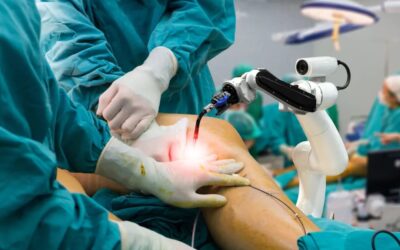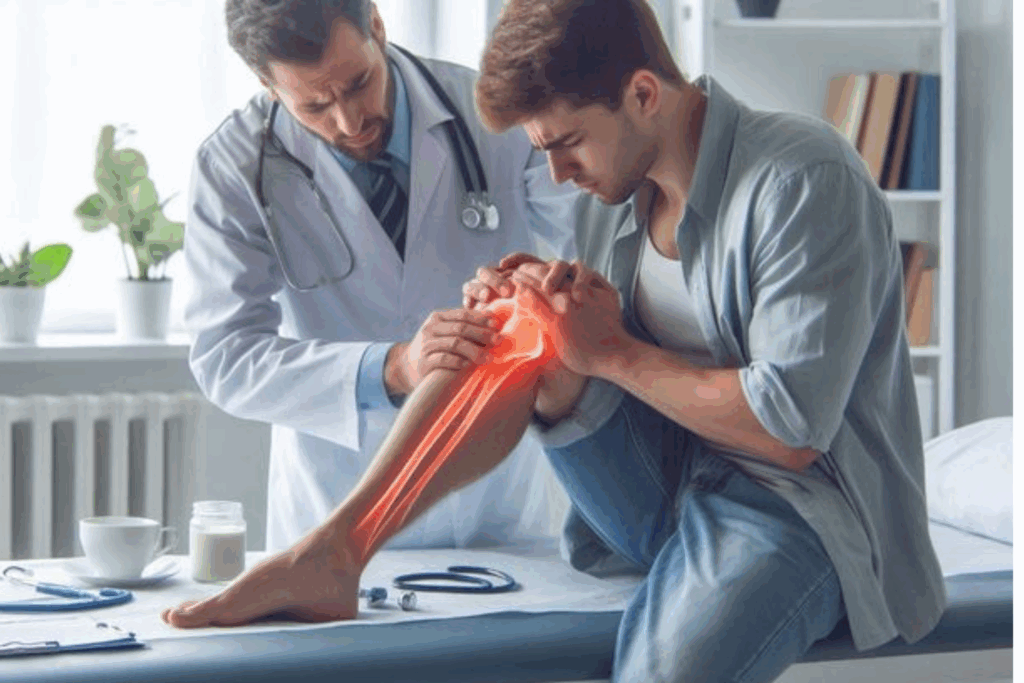
Knee replacement surgery can be life-changing for individuals suffering from chronic knee pain, arthritis, or mobility issues. While the procedure itself is a major step, what truly determines the success of your new joint is how well you regain mobility after surgery. Recovery isn’t just about healing — it’s about learning to walk confidently, rebuild strength, and return to everyday life without pain. In this blog, we’ll walk you through what it takes to get back on your feet after knee replacement surgery.
Understanding the Recovery Journey
After knee replacement surgery, most patients can expect to stay in the hospital for 1 to 3 days. Recovery begins almost immediately — often within 24 hours of surgery — with the help of a physiotherapist. Regaining mobility is a gradual process that typically spans over several months, with significant milestones along the way.
Phase 1: The First Steps (Week 1–2)
The first few days post-surgery focus on gentle movement and pain management. With assistance, you’ll begin walking short distances, standing, and performing basic range-of-motion exercises. Using a walker or crutches is essential during this period to protect your new joint and avoid falls.
Goals during this phase:
- Reduce swelling and pain
- Begin moving the knee
- Start walking with support
- Prevent complications like blood clots
Phase 2: Building Strength and Confidence (Week 3–6)
Once you’re home, a structured rehabilitation program becomes your main tool for progress. You’ll continue physiotherapy to improve flexibility, muscle strength, and joint function. Walking distances increase, and you’ll start using stairs with assistance.
Mobility tips:
- Do prescribed exercises daily
- Walk short distances multiple times a day
- Use assistive devices as recommended (walker, cane)
- Gradually reduce reliance on support over time
Phase 3: Regaining Independence (Week 6–12)
During this phase, you should begin to feel more confident in your movement. Many patients can resume light activities like cooking, walking unaided, and even driving, depending on their progress. Swelling reduces significantly, and mobility continues to improve.
Key achievements at this stage:
- Walking without support for longer periods
- Climbing stairs more easily
- Bending the knee up to 110–120 degrees
- Returning to simple daily tasks with minimal discomfort
Long-Term Mobility and Lifestyle (After 3 Months)
After the 3-month mark, your joint should feel more stable and natural. With continued strengthening and flexibility exercises, you’ll be able to return to activities like shopping, light workouts, and longer walks. However, high-impact activities like running or jumping should still be avoided unless cleared by your surgeon.
Tips for maintaining mobility:
- Stick to a regular low-impact exercise routine
- Use proper footwear to support joint alignment
- Practice balance and posture exercises
- Avoid sudden twisting or overexertion
Factors That Affect Mobility Recovery
Every patient’s recovery timeline is different. Factors that influence mobility after knee replacement include:
- Age and general health
- Pre-surgery fitness level
- Commitment to physiotherapy
- Nutrition and hydration
- Emotional mindset and motivation
Staying patient, consistent, and committed is the key to getting your mobility back.
Summary
Regaining mobility after knee replacement surgery is a journey that involves physical effort, mental strength, and guided rehabilitation. From learning to walk again to reclaiming your independence, each step counts. With proper care and consistent physiotherapy, most patients are back on their feet — living pain-free and more active lives within a few months.
If you’re preparing for or recovering from knee replacement, expert orthopedic care makes all the difference. Dr. Saurabh Giri, a trusted orthopedic and joint replacement specialist at Helios Orthojoint, Pune, offers advanced surgical techniques and personalized recovery plans to help patients get back on their feet — safely and successfully.
Book your consultation today and take the first confident step toward restored mobility and better living.
Recent Posts
-
 Still Playing Sports with an ACL Tear While Long-Term Knee Damage Continues Increasing with Every Activity.
 -
AVN joint replacement surgery
-
 Why Gym Injuries and Sports Trauma Are Increasing Rapidly Among Young Adults and Fitness Enthusiasts
 -
 Ignoring Advanced Surgical Options While Robotic Knee Replacement Continues Becoming the Future of Joint Care
 -
 Not because the pain was manageable, but because he was afraid of surgery.